
-
 Vulcan RFID Cinder NFC Label | NXP NTAG213
SKU: VUL-CINDER-NTAG213-LBLPET
Key Features- Memory: 144 bytes user memory (NTAG213 IC)
- Form Factor: Compact, embeddable NFC label
- Functionality: UID mirror, password protection, NFC smartphone readable
-
 Key Features
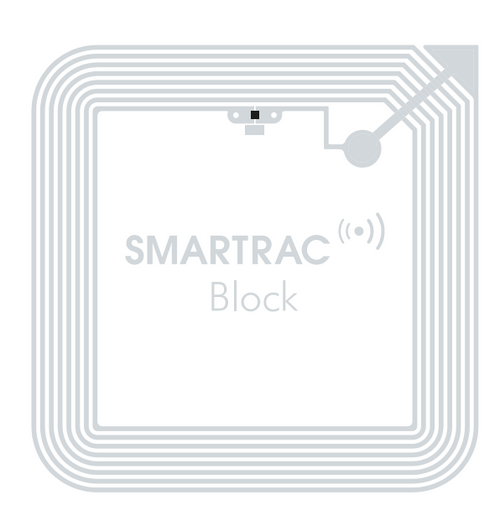
- Memory: 2528 bit user memory
- Frequency: NFC/HF (13.56 MHz)
- Protocol: ISO/IEC 15693, 18000-3; NFC Forum Tag Type 5
-
 Key Features
- Compliant with ISO/IEC 15693, ISO/IEC 18000-3, and NFC Forum Tag Type 5
- Equipped with NXP ICODE SLIX2 IC for HF and NFC encoding
- Designed for CD, DVD, and Blu-ray disc types; strong adhesive wet inlay format
-
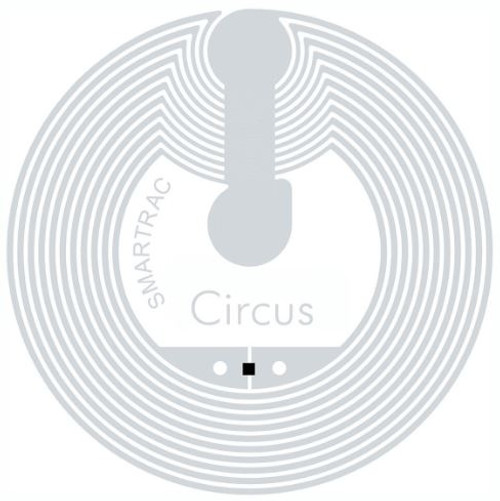 Key Features
- Frequency: 13.56 MHz (NFC Forum Type 2)
- IC: NXP NTAG213 with UID mirror functionality
- Compliance: ISO 14443A, NFC Forum Type 2 Tag applications
-
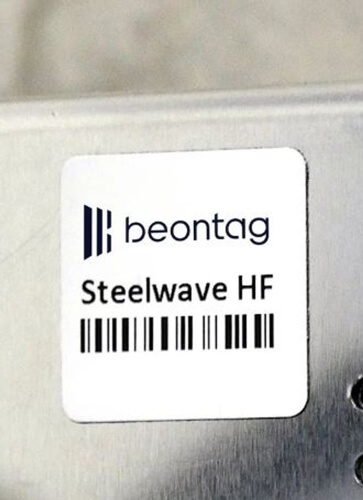
 Beontag Steelwave HF/NFC Label | NXP ICODE SLIX2
SKU: 3003273
Key Features- IC: NXP ICODE SLIX2
- Size: 25 x 25 mm
- Form Factor: Flexible HF/NFC Label for metallic assets
-
 Tageos EOS-930 NFC PET Tag | NXP NTAG213
SKU: 9300000004
Key Features- Memory: 144 bytes user memory
- IC: NXP NTAG213
- Frequency: 13.56 MHz (HF)
-
 Beontag Ironside Micro NFC Tag | NXP NTAG213
SKU: 3001300
Key Features- IC: NXP NTAG213 integrated circuit
- Durability: Rugged for impacts, chemicals, and moisture
- Attachment: Works on any material, including metal
-
 NFC RFID Tag Sample Pack
SKU: NFC-TSP
Key Features- Variety of tag types, including paper, wet inlays, and hard tags
- Operating Frequency: 13.56 MHz (NFC/HF)
- Ability to test diverse tags to choose the best for your application
-
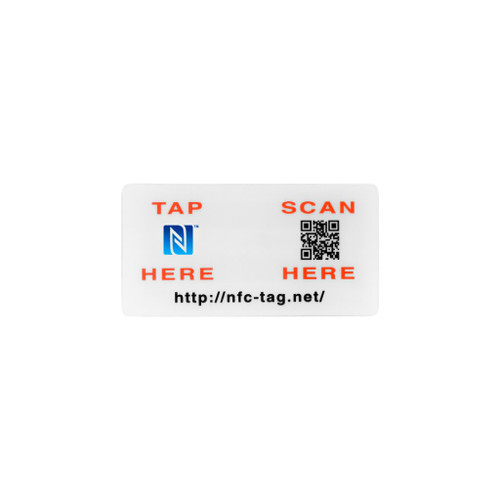 Vulcan RFID Custom NFC Tag
SKU: VR-NFCT
Key Features- Custom: Four-color processing with detailed digital printing options
- Functionality: Two-way communication between readers
- Usability: No additional reader needed with NFC-enabled cell phones
-
 Tageos EOS-920 NFC Paper Tag | NXP NTAG213
SKU: 9200000003
Key Features- IC: NXP NTAG213
- Memory: 144 bytes user memory
- Form Factor: NFC Paper Tag
-
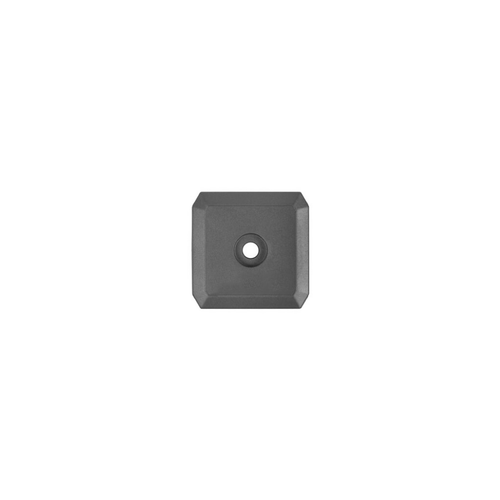 Beontag Ironside Micro NFC Tag | NXP ICODE SLIX2
SKU: 3002976
Key Features- Durability: Withstands mechanical impacts, chemicals, and moisture
- Form Factor: Small footprint, works on any material including metal
- Applications: Asset management, logistics, industrial manufacturing
-
 Key Features
- IC: NXP NTAG216
- Antenna & Die-cut Size: 38 mm (1.50 in)
- Functionality: UID mirror for unique tag identification
-
 Beontag Steelwave HF/NFC Label | NXP NTAG213
SKU: 3003272
Key Features- Integrated Circuit: NXP NTAG213
- Size: 25 x 25 mm
- Durability: Industrial grade materials for harsh environments
-
 Key Features
- IC: EM Microelectronic em|echo-V (EM4425 V10)
- Frequency: Dual frequency UHF RFID & NFC
- Memory: Up to 2048 bit configurable memory
-
 Beontag Steelwave Micro II NFC Tag | NXP NTAG213
SKU: 3001301
Key Features- Tag Type: Rugged NFC tag
- Attachment: Adhesive, string, or cable tie
- Form Factor: Small for versatile asset tagging
-
 Key Features
- Frequency: Dual Frequency (HF 13.56 MHz, UHF 860-960 MHz)
- Memory: NTAG213 (144 bytes user), Monza R6-P (128/96 bits EPC)
- Durability: Anti-UV Polymer, IP68 rated, up to 85°C (185°F)
-
 Key Features
- Technology: Near Field Communication (NFC)
- Chip: NXP NTAG213
- Functionality: UID mirror for unique applications
-
 Key Features
- Designed to work reliably on metallic objects
- Equipped with NXP NTAG213 IC chip
- Flexible ferrite-based NFC tag
-
 Beontag P7A NFC Paper Tag (NXP NTAG213)
SKU: AN831N101
Key Features- Size: 34 x 18 mm (1.34 x 0.71 in)
- Memory: 144 bytes of user memory
- Form Factor: Paper Tag with NTAG213 IC
-
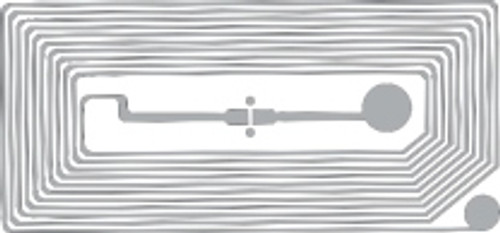 Beontag P7A NFC White Wet Inlay (NXP NTAG213)
SKU: AN931N101
Key Features- Die-cut size: 34 x 18 mm (1.34 x 0.71 in)
- Memory: 144 bytes of user memory
- Form Factor: White Wet Inlay with NXP NTAG213 IC
-
 Key Features
- Technology: NFC (Near Field Communication) based on ISO14443A standard
- Chip: NXP NTAG213 with Unique ID (UID) mirror functionality
- Applications: Product authentication, marketing, smart posters, high-volume use
-
 Beontag BUMP NFC Paper Tag (NXP NTAG213)
SKU: AN722N100
Key Features- Die-cut size: 25 x 25 mm (0.98 x 0.98 in)
- Memory: 144 bytes of user memory
- Form Factor: Paper Tag with NXP NTAG213 IC
More about NFC Tags
Near Field Communication (NFC) tags are designed to store information and transfer a wide variety of data types to other NFC enabled devices. NFC tags are passive devices that operate without a power supply of their own and communicate using the ISO 14443 type A and B wireless standards. Manufactured with a basic architecture similar to Radio Frequency Identification (RFID) tags, NFC tags contain three key components: an integrated circuit or tiny microchip, an antenna, and substrate or material layer to hold all the components together.
NFC tags are widely available in various shapes, sizes, and form factors. Atlas RFID offers a broad range of NFC tag types including inlays, wristbands, hard tags, and labels all equipped with varying storage levels and transfer speeds. Operating within the High Frequency (HF) range of the RFID spectrum at 13.56 MHz, NFC tags provide secure data transmission within a distance of approximately 10 centimeters making them an ideal solution for access control, consumer electronics, transport, payments, healthcare, information collection, information exchange, coupons, and ticketing applications.
The cost of NFC tags will vary, but generally range from $0.10 to $1.00+. Factors for price include volume, form factor, and durability.
Top Brands







Which NFC Chip Do I Need?
Every NFC tag, NFC sticker, and NFC label on this page is built around a specific NFC chip — and the chip determines what the tag can do, how much data it holds, and which devices can read it. If you're comparing NTAG213, NTAG216, or ICODE SLIX2 for the first time, here's the short version:
| Chip | Best For | Memory | Phone-Writable? | Typical Use Case |
|---|---|---|---|---|
| NXP NTAG213 | General-purpose NFC tags | 144 bytes | Yes, any NFC smartphone | Business cards, smart posters, marketing, one URL or contact link |
| NXP NTAG216 | Larger data needs | 888 bytes | Yes, any NFC smartphone | Multiple links, vCards, longer text, loyalty/menu content |
| NXP ICODE SLIX2 | Industrial & asset tracking | 2528 bits | Reader required (not always phone-native) | Asset tags, inventory, on-metal or ruggedized applications, longer read range |
Simple rule of thumb: want to tap your phone to open a link, share your contact info, or trigger an action? Go with an NTAG213 or NTAG216. Tagging equipment, tools, or inventory for a dedicated RFID/NFC reader system instead? An ICODE SLIX2 tag is usually the better fit.
Not sure which is right for your project? Talk to an RFID expert or start with our NFC Tag Sample Pack to test multiple chip types before committing to a bulk order.
More About NFC Tags
NFC tags (Near Field Communication tags) are compact, passive devices engineered to store and transmit data wirelessly to nearby NFC-enabled devices. Operating at 13.56 MHz within the High Frequency (HF) band of the RFID spectrum, these tags mainly use the ISO 14443 Type A and B wireless communication standards to securely exchange information at distances of up to 10 centimeters. Some do use ISO 15693.
At atlasRFIDstore, customers can choose from a comprehensive selection of NFC tag types:
- NFC Inlays: Thin, flexible circuits embedded in adhesive or non-adhesive substrates. Ideal for integration into labels, cards, or custom products.
- NFC Labels: Pre-laminated, adhesive-backed tags that combine NFC functionality with printable surfaces. NFC labels are frequently used for inventory tracking, smart posters, brand engagement, and retail automation.
- NFC Hard Tags: Rugged tags built with stronger materials for use on metal surfaces, in outdoor environments, or in industrial settings.
- NFC Wristbands: Wearable tags used in environments that require fast and convenient identity verification.
Each tag type is available with varying storage capacities and read/write speeds to match your unique applications.
How to Use NFC Tags in Your Marketing
NFC tags make it easy to connect with customers in the moment. With just a tap of a smartphone, an NFC tag can launch a website, trigger a promotion, or open a loyalty app, no scanning or app-launching required. This tap-and-go functionality reduces friction and increases engagement, making NFC tags a smart, modern tool for marketers looking to create interactive experiences right at the point of contact. Check out this quick video to learn more.
Everyday Ways to Use an NFC Tag
While many of our customers use NFC tags and NFC labels for industrial tracking, access control, or retail automation, the same technology powers simple, everyday tap-to-go actions:
- Digital business cards: Write your contact card or LinkedIn profile to an NFC sticker and tap it against any NFC-enabled phone to share your info instantly — no app download needed on the other end.
- Smart home shortcuts: Place a programmable NFC tag by your door, desk, or nightstand to trigger routines — turn off the lights, set your phone to silent, or launch your alarm with a single tap.
- Smart posters & marketing: An NFC label embedded in a flyer, menu, or product package can open a website, video, or promotion the moment a customer taps their phone.
- Product authentication: Brands use rugged NFC hard tags to verify authenticity and share product information at the point of sale.
All of these use cases run on the same NTAG213/NTAG216-class chips featured in our NFC tag sample pack — the difference is entirely in how you program the tag, not the hardware itself.
How to Write Data to an NFC Tag
All of the blank, rewritable NFC tags sold here can be programmed in under a minute using a free app:
- Download a free NFC writing app (e.g., NXP TagWriter or NFC Tools) on any NFC-enabled Android or iPhone (iPhone 7 and later).
- Open the app and select Write.
- Choose your content type — URL, plain text, contact card, or Wi-Fi credentials.
- Hold your phone against the NFC tag until the app confirms the write is complete.
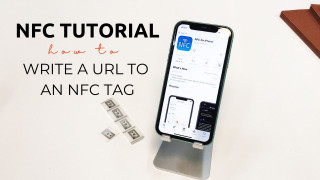
Tags can be rewritten as many times as needed, or locked permanently once you're happy with the content. For a full step-by-step walkthrough, see our guides: How to Write a URL to an NFC Tag and How to Write an NFC Tag.
Frequently Asked Questions: NFC Tags & Labels
If you're new to NFC tags or exploring the right solution for your application, you likely have questions. Below are some frequently asked questions to help clarify the basics and guide your decision-making process.
What types of data can be stored on an NFC tag?
NFC tags can store a variety of data types, including URLs, plain text, contact details, app launch commands, or custom binary data. The available memory ranges from just a few bytes to several kilobytes, depending on the chip type.
How much do NFC tags cost?
NFC tags generally range in price from $0.10 to over $1.00 per tag, depending on the form factor, chip type, memory capacity, and durability requirements. Bulk purchasing typically lowers the cost per unit, and rugged or specialty tags tend to fall on the higher end of the price spectrum.
Do you have to see an NFC tag for it to work?
No, NFC tags do not require a direct line of sight. Communication occurs through radio frequency, allowing tags to function even when embedded inside objects, beneath labels, or behind signage.
What's the difference between an NFC tag, NFC sticker, and NFC label?
These terms are often used interchangeably. "NFC tag" is the general term for any NFC-enabled device; "NFC sticker" and "NFC label" typically refer to the adhesive-backed, flat form factor — ideal for attaching to packaging, cards, or flyers. Hard tags and wristbands are NFC tags built for more rugged or wearable applications.
Can I reprogram or erase an NFC tag after writing it?
Yes. Most NFC tags, including all NTAG213, NTAG215, and NTAG216 chips, can be rewritten an unlimited number of times using a free NFC writing app. You can also permanently lock a tag once you're satisfied with its content, preventing any future changes.
Will any smartphone read my NFC tag?
Nearly all modern Android phones and iPhone 7 and later have built-in NFC readers that work with NTAG213/215/216 chips without any additional hardware. ICODE SLIX2 and other industrial-grade chips may require a dedicated NFC/RFID reader depending on the device and app.
What's the difference between NTAG and ICODE chips?
NTAG (NXP NTAG213/215/216) is the standard chip family for smartphone-readable NFC tags — ideal for marketing, business cards, and smart posters. ICODE (NXP ICODE SLIX2) is built for industrial and asset-tracking applications, often with longer read range and on-metal performance, and may require a dedicated reader rather than a standard smartphone.
Shop the Best NFC Tags for Your Needs at atlasRFIDstore
Discover the power of Near Field Communication with atlasRFIDstore, your trusted source for high-quality NFC tags built for a wide range of applications. From product authentication and marketing campaigns to smart posters and mobile interactions, our selection of NFC tags offers fast, secure, and seamless communication.
Find the ideal NFC solution to enhance your project or workflow. Shop now at atlasRFIDstore and stay connected with the latest in NFC technology.