Why Standard RFID Fails on the Factory Floor, and How Rugged Tagging Enables Reliable Manufacturing Visibility
Published in partnership with Xerafy
RFID works reliably in logistics environments where assets move through predictable workflows and conditions remain relatively stable. Manufacturing environments are fundamentally more demanding. Metal structures, thermal processing, chemicals, and mechanical stress quickly expose the limits of standard RFID labels designed for cartons, packaging, and general inventory use.
When manufacturers extend RFID into production, pilot programs often fail at the tag level. In many cases, reader infrastructure and software perform as expected, but the tag cannot maintain read performance or physical integrity once exposed to real factory conditions.
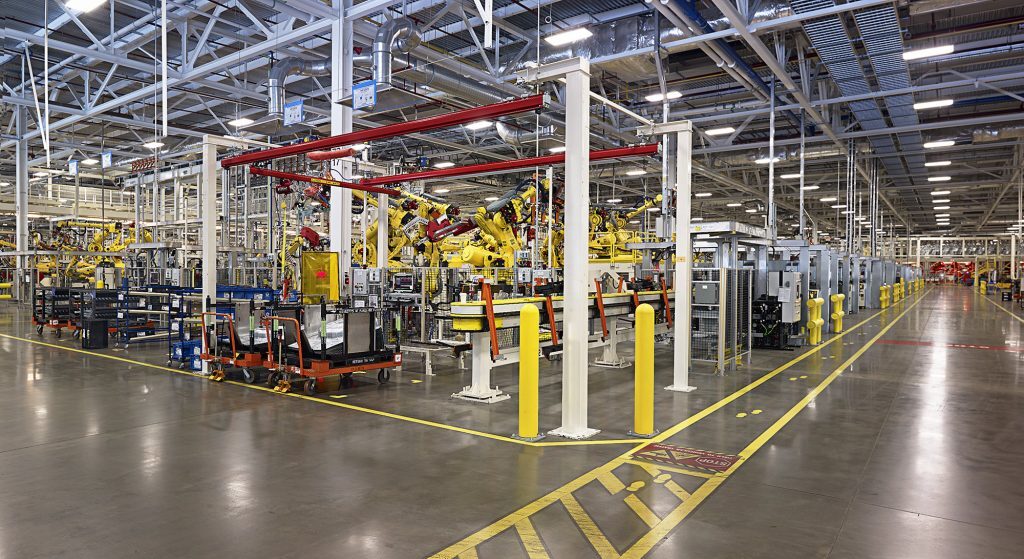
On the factory floor, RFID must survive the same process as the asset it tracks.
If the tag fails, the system fails with it.
Over the past decade, rugged RFID tagging has been deployed across a wide range of industrial environments, including automotive manufacturing, aerospace production, heavy equipment assembly, and industrial laundries. These deployments have shown that successful RFID systems depend not only on reader infrastructure and software, but on tags engineered to withstand the physical conditions of the production process.
Prepared by the Xerafy engineering team in collaboration with Atlas RFID, let's walk through why standard RFID tags and labels struggle in manufacturing environments and how rugged industrial tags enable reliable visibility for work-in-process, materials, tooling, and other high-value assets.
Why Standard RFID Fails in Manufacturing
Factory environments introduce physical conditions that standard RFID labels were never designed to withstand. These stresses affect both RF performance and the physical durability of the tag.
Metal Interference
Metal surfaces detune standard RFID antennas, dramatically reducing read range or preventing the tag from responding altogether. This effect is common in production environments where steel fixtures, conveyors, machinery, and tooling surround the read zone.
Heat & Thermal Cycling
Curing ovens, paint drying lines, autoclaves, and other thermal processing systems expose assets to sustained high temperatures. Standard RFID labels rely on adhesives and thin laminates that degrade under heat exposure. Repeated thermal cycling can also break antenna connections or damage chip bonds.
Chemical Exposure
Caustic wash tunnels, degreasers, alkaline cleaners, acidic baths, and coating processes can rapidly degrade adhesives and protective layers used in standard RFID labels. Even when a label initially survives chemical exposure, its printed surface or adhesive layer often deteriorates over time.
Abrasion, Impact & Vibration
Conveyors, forklifts, fixtures, molds, and handling equipment subject assets to continuous vibration, abrasion, and occasional impacts. Thin labels mounted on exposed surfaces rarely survive these conditions for long.
In manufacturing environments, tag durability becomes the limiting factor for RFID system reliability. If the tag cannot survive the production process, the tracking system cannot operate reliably.
In many failed deployments, reader infrastructure and software perform as expected, but tag performance degrades once exposed to real production conditions. Heat cycles can weaken antenna bonds, chemicals can break down adhesives, and metal environments can detune antennas and reduce read reliability. As a result, tag design and mounting methods often determine whether an RFID deployment succeeds or fails on the factory floor.
Where Rugged RFID Is Required
Many production environments expose RFID tags to conditions that quickly damage standard labels. Rugged RFID tags maintain reliable asset identification in these environments.
Paint Shops & E-Coat Lines
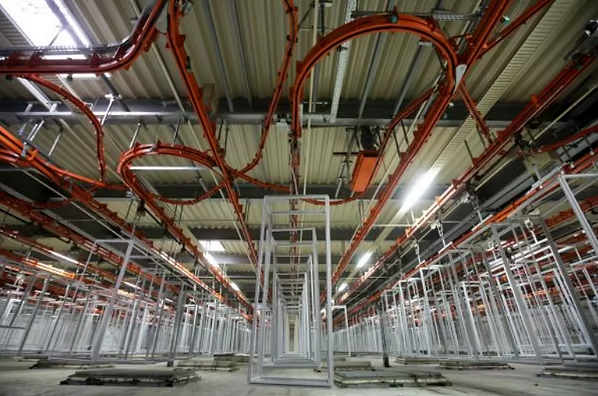
Paint shops and e-coat lines are among the most demanding environments for RFID tags. Carriers and fixtures move through chemical immersion stages followed by high-temperature curing ovens. The combination of chemical exposure and sustained heat quickly degrades standard laminates and adhesives.
RFID tags used in paint systems must withstand both chemical processing and repeated thermal cycles without losing structural integrity or RF performance.
High-Temperature Processes
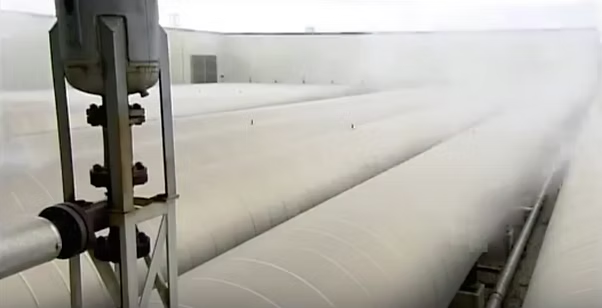
High-temperature production environments present similar challenges. Processes such as composite curing, industrial heat treatment, and medical device sterilization expose equipment to sustained heat, steam, and pressure. These conditions break down adhesives and compromise traditional label materials.
Tags designed for these environments use thermally stable materials and sealed housings to protect the chip and antenna during repeated heat cycles.
Chemical Washing & Industrial Cleaning
Chemical washing and industrial cleaning systems also require specialized tag construction. Returnable transport items (RTIs) such as skids, totes, containers, and metal racks often pass through caustic wash tunnels as part of normal operations.
These systems combine aggressive detergents with high-pressure spray, conditions that quickly remove printed labels or dissolve adhesives. Rugged RFID tags for washdown environments rely on chemical-resistant housings and mechanical mounting to maintain long-term reliability.
Tooling, Molds & Dies
Tooling, molds, and dies present a different challenge. These assets operate in dense metal environments and are exposed to vibration, mechanical contact, and repeated handling.
At the same time, manufacturers increasingly need to track usage cycles, maintenance intervals, and tool availability. Rugged RFID tags used for tooling are often embedded directly into metal components or mounted in recessed positions where they are protected from physical damage.
Work-in-Process & Material Flow
Work-in-process tracking introduces additional challenges because items move through multiple production stages. During a single manufacturing cycle, an asset may pass through machining, chemical cleaning, heat treatment, and assembly.
Tags used for WIP tracking must survive the entire process without replacement. Rugged RFID tags allow manufacturers to identify materials and components consistently across the production workflow.
Matching Tag Design to Manufacturing Conditions
Selecting the right RFID tag for a manufacturing application requires matching environmental conditions to the tag’s construction and mounting method.
Metal Surfaces
Typical assets: Pipes, cylinders, production fixtures, material carriers
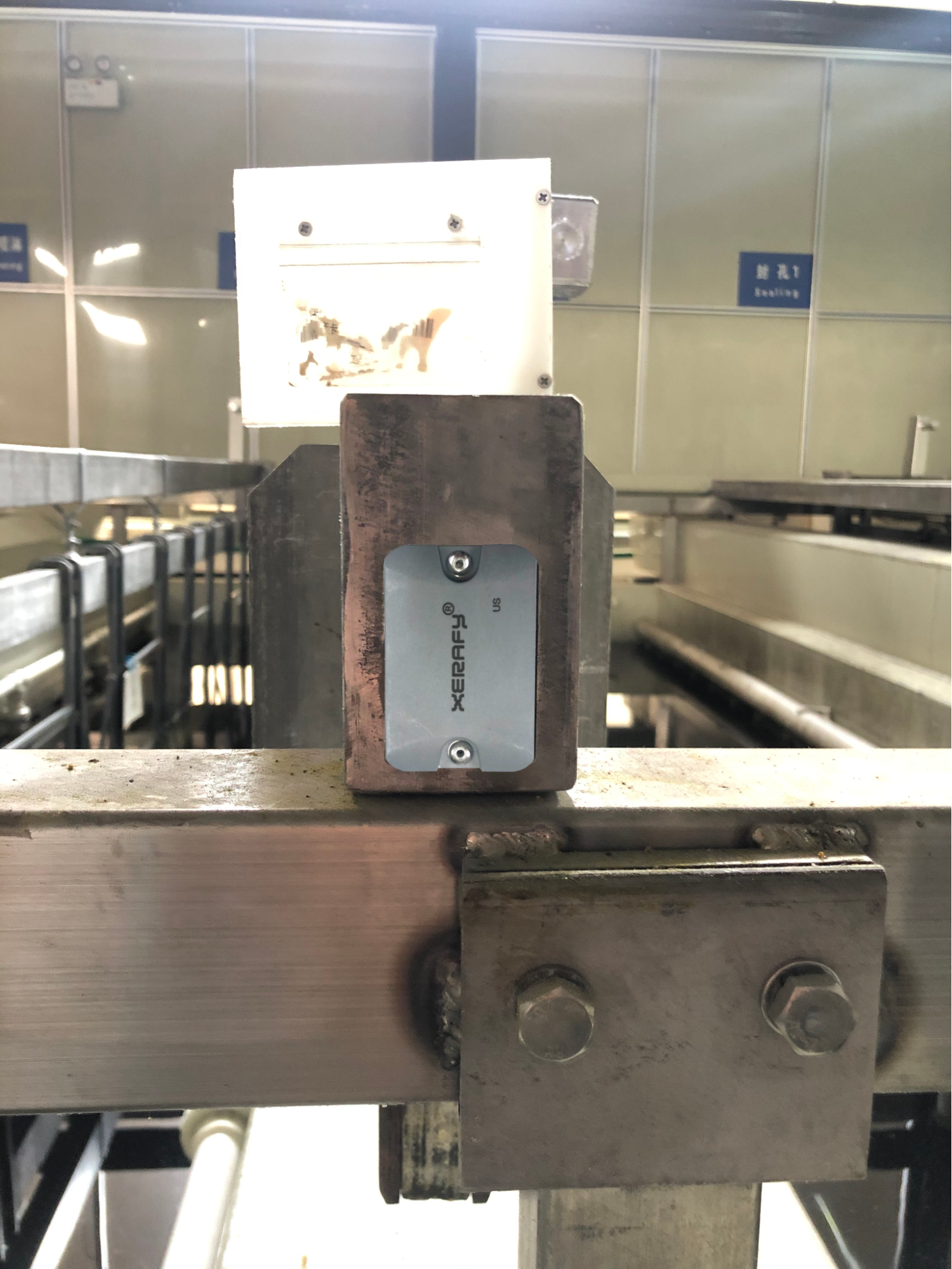
Tags used on conductive surfaces require specialized antenna designs and built-in spacers to maintain consistent performance when mounted directly on metal. In manufacturing environments, they must also be rugged enough to withstand vibration, impact, and exposure to heat or chemicals, with mounting methods selected to match the asset’s lifecycle and use conditions.
Metal-Mount RFID Tags:
ROSWELL Autoclavable
Xylinder OUT
Metal Skin® Delta
POD TRAK series
High Heat (>200 °C)
Typical assets: Paint drying systems, composite curing lines, autoclaves
High-temperature environments require RFID tags constructed from materials capable of maintaining structural and RF stability during sustained heat exposure. Adhesives and conventional laminates typically degrade under these conditions.
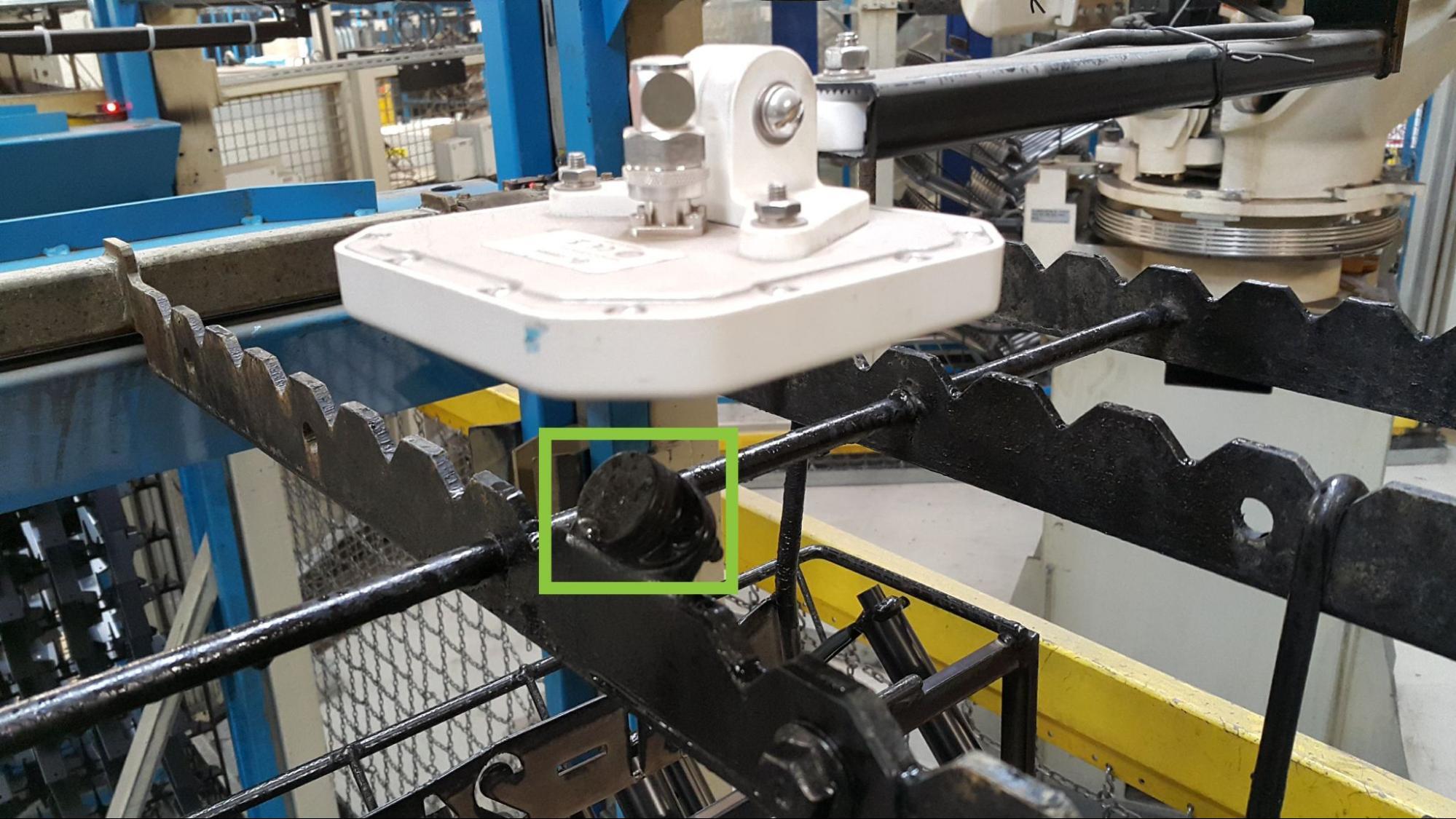
High Temperature RFID Tags:
MICRO Paint Shop
MICRO Industrial
ROSWELL Autoclavable
Heavy Vibration & Mechanical Impact
Typical assets: Molds, tooling, stamping dies, forklift-handled assets
Assets exposed to vibration and mechanical contact require tags that can be securely mounted rather than adhered. Screw-mounted or embedded tags provide the durability required for repeated handling and long service life.
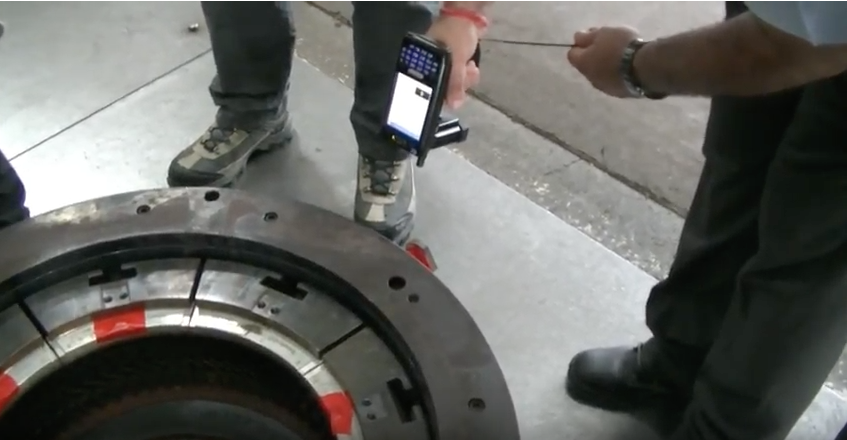
Impact and Vibration Resistang Tags:
MICRO Industrial
MICRO Power
XS Wedge
XPLORER Surface
Chemical & Solvent Exposure
Typical applications: Chemical baths, degreasing processes, caustic cleaning
Industrial wash systems expose assets to aggressive chemicals and high-pressure spray. RFID tags used in these environments must rely on chemically resistant materials and mechanical mounting rather than adhesive attachment.
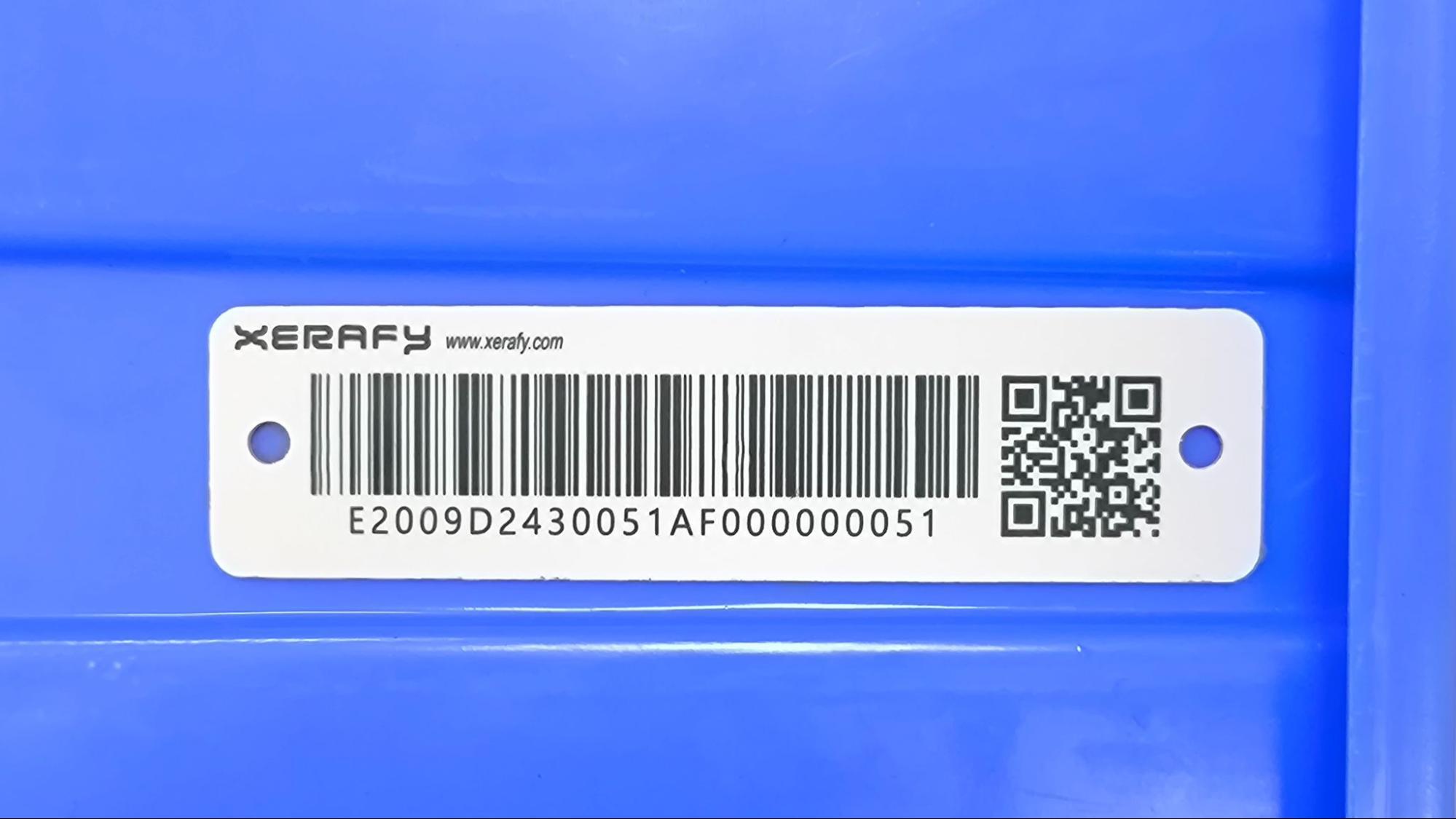
Chemical and Solvent Resistant Tags:
MICRO Industrial
POD TRAK series
ROSWELL
Tools & Small Instruments
Typical assets: Hand tools, cutting dies, small fixtures
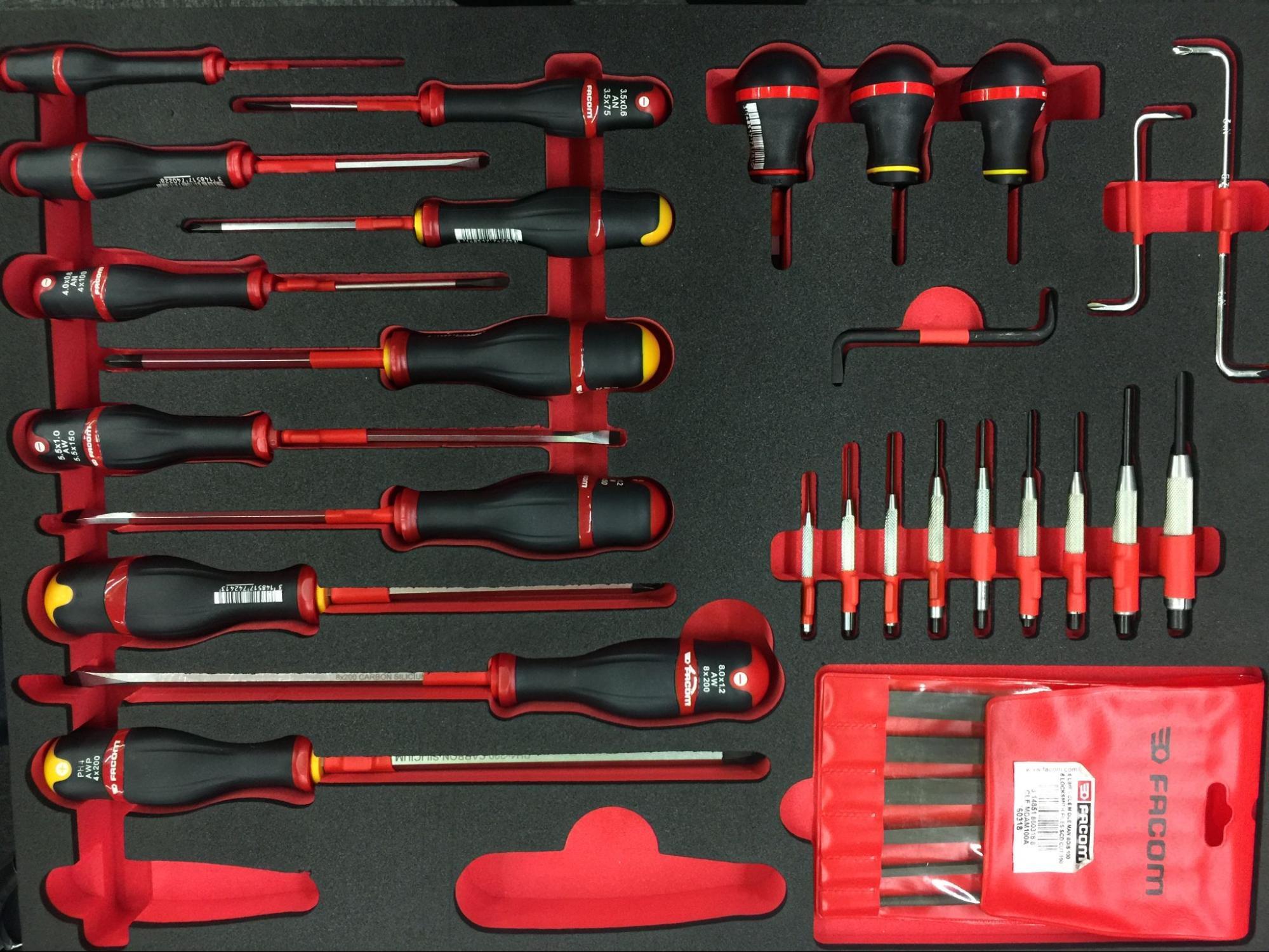
Space constraints often require compact RFID tags that can be embedded or recessed within the asset. Small form factors allow tools and instruments to be identified without interfering with their use.
RFID Tags for Tool Tracking:
PICO On
XS Dash
PICO In
PICO Mini
Tag Memory and Local Data Storage
Most manufacturing RFID deployments rely on EPC identifiers linked to backend databases. In some applications, however, data must be stored directly on the asset.
RFID chips with larger user memory can store maintenance records, inspection data, or process information. Tags using chips such as NXP U9xm support these use cases.
Engineering Support for Manufacturing RFID Deployments
Deploying rugged RFID successfully requires more than selecting a tag with the right specifications. Environmental validation, mounting methods, and reader placement all influence system performance.
Atlas RFID provides technical guidance to help manufacturers evaluate RFID performance in real production conditions. Their engineering team supports tag selection, reader and antenna pairing, and system design for metal-dense or high-interference environments.
Xerafy contributes engineering expertise in rugged RFID tag design, including recommendations for mounting methods and tag placement in harsh manufacturing environments.
By combining Atlas’s system integration expertise with Xerafy’s rugged tag engineering, manufacturers can identify and validate the right tagging approach with consultation and Xerafy's RFID Sample Packs before committing to full deployment.
Conclusion
Manufacturing environments introduce metal interference, thermal stress, chemical exposure, and mechanical wear that quickly degrade standard RFID labels. These conditions make tag durability the limiting factor for reliable RFID performance on the factory floor.
With tags engineered to maintain RF performance and structural integrity under these stresses, manufacturers can extend RFID beyond logistics into work-in-process tracking, tooling management, and production visibility.
To explore rugged tagging options and begin evaluation:
→ Contact Atlas RFID for technical guidance
→ Request a Xerafy Industrial Sample Pack
You May Also Like