
Sustainable Barcode Scanners
Sustainable Interactive Kiosks
Sustainable Mobile Computers & Tablets
Sustainable RFID Readers
Sustainable RFID Labels & Tags
Sustainable Barcode Labels
Sustainable RFID & Barcode Label Printers
Sustainable Wristband Cartridges
-
 Key Features
- Print Method: Direct thermal
- Print Width: 104 mm (4.09 in)
- Connectivity: USB, USB Host, BLE, Wi-Fi, BT 4.1
-
 Key Features
- Display: 6" touchscreen
- Processor: Qualcomm 5430
- Durability: Virtually waterproof, withstands drops
-
 Zebra RS2100 Bluetooth Ring Wearable Barcode Scanner
SKU: RS21C0-TS00ZWR
Key Features- Form Factor: Smallest enterprise wearable ring scanner
- Scanning: Integrated 1D/2D barcode capture
- Connectivity: Bluetooth for Zebra, Apple, Android, PCs
-
 Key Features
- Display: 6" large touchscreen display
- Processor: Qualcomm 5430
- Connectivity: Wi-Fi 6/6E, 5G, integrated scanner, tap-to-pay
-
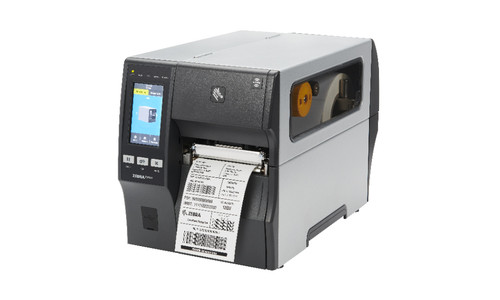 Key Features
- Print Method: Thermal Transfer & Direct Thermal
- RFID Encoding: UHF EPC Gen 2 V2.1, 16 mm min tag pitch
- Connectivity: USB, Serial, Ethernet, Bluetooth, Optional Wi-Fi
-
 Zebra EM45 RFID Enterprise Mobile Computer
SKU: EM45A2-3T106B0-NA
Key Features- Processor: Qualcomm 5430 octa-core, dedicated NPU
- Memory & Storage: 8 GB DDR5 RAM, 128 GB flash storage
- Connectivity: 4G, 5G, Wi-Fi 6E, Integrated RFID reader
-
 Key Features
- Print Method: Thermal Transfer/Direct Thermal
- Resolution: 203/300 dpi
- Connectivity: USB, Serial, Ethernet, Bluetooth 4.1, optional Wi-Fi 5
-
 Key Features
- Performance: Up to 1,300 tags per second read rate
- Connectivity: Integrated RFID, NFC, barcode, 16 MP camera
- Durability & Sustainability: IP65-rated, drop-tested to 5 ft, removable battery and energy-efficient design
-
 Zebra 1" x 11" Z-Band Direct White Wristband Cartridge | For Cartridge Printers | Case of 6 Rolls - 200 Labels per Roll
SKU: 10006995K
Key Features- Size: 25.4 x 279.4 mm (1 x 11 in) adult perforated wristbands
- Quantity: Case of 6 rolls, 200 labels per roll
- Material: Direct thermal white polypropylene with antimicrobial coating
-
 Key Features
- Print Method: Thermal Transfer
- Resolution: 203 dpi
- Connectivity: USB, USB Host, Ethernet, BLE (optional Wi-Fi, BT 4.1)
-
 Key Features
- Ruggedness: Ultra-rugged, IP65 rated, 12 ft. drop/6,000 tumbles
- Connectivity: Wi-Fi 6E, Bluetooth 5.3
- Data Capture: 1D/2D barcode scanning, optional 8MP/16MP cameras
-
 Key Features
- Performance: 2.5 times more processing power than prior models
- Durability: Dual IP65/IP67 rating, 2.4 m (8 ft) drop spec
- Connectivity: Wi-Fi 6E, Bluetooth 5.3
-
 Key Features
- Print Method: Thermal transfer printing with ribbon cartridge system
- Resolution: 203/300 dpi
- Connectivity: USB, USB Host, BLE, Modular Connectivity Slot, Optional Wi-Fi and Bluetooth
-
 Zebra ET65 Enterprise Rugged Android Tablet
SKU: ET65AW-ESQAGSK0A0-NA
Key Features- Ruggedness: Survives drops from 1.5 m (5 ft) to concrete, IP65 sealing
- Display: 1000 nit display, visible in bright sunlight
- Connectivity: 5G, Wi-Fi 6E, Bluetooth v5.2, SE55 1D/2D scan engine
-
 Zebra TC53e-RFID Android Mobile Touch Computer
SKU: TC530R-0T1E1B1000-US
Key Features- Integrated RFID reader: Reads 20 tags per second
- Display: 6-inch, 1080x 2160 HD display
- Processor: Powerful Qualcomm octa-core with 6GB RAM, 64GB storage
-
 Key Features
- Display: 4.7 inch display, Corning Gorilla Glass
- Ruggedness: IP67 rated, waterproof, dustproof, tumble-proof, drop-proof
- Eco-Friendly: Over 40% post-consumer recycled plastics, Android 17 OS support
-
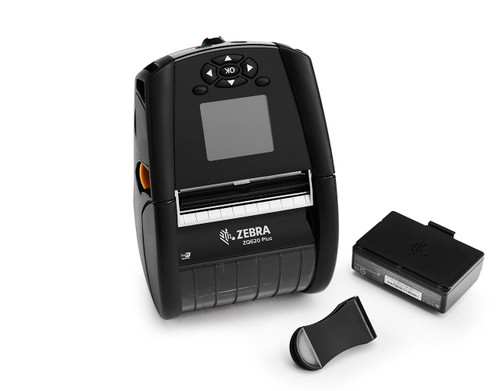 Key Features
- Print Width: 25 - 79 mm (1.0 to 3.125 in)
- Connectivity: Optional Wi-Fi 6 (802.11ax) or Wi-Fi 5 (802.11ac)
- Rugged Construction: IP54 rated, survives 1.52 m (5 ft) drops
-
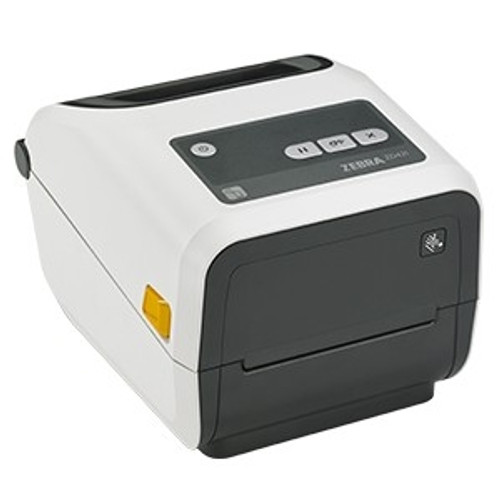 Key Features
- Print Method: Thermal Transfer
- Special Features: Disinfectant-ready plastics, UV-resistant housing
- Connectivity: USB, USB Host, Ethernet, Bluetooth Low Energy 5
-
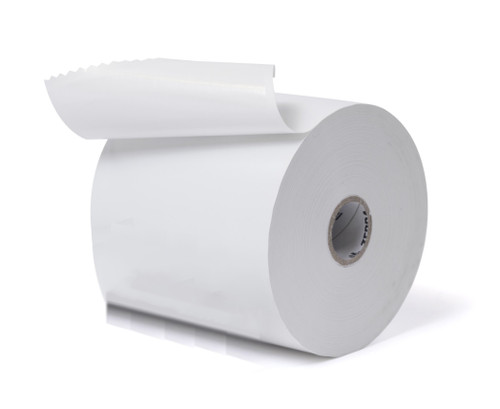 Zebra 4" x 918.6' ZeroLiner 4500D Direct Thermal Label | For Linerless Industrial Printers | Case of 4 Rolls
SKU: ZIPZLT3017582
Key Features- Material: Phenol-free direct thermal paper, gloss finish
- Format: Linerless for reduced waste and improved efficiency
- Adhesive: Permanent for secure application
-
 Key Features
- AI-Ready Performance: Qualcomm Dragonwing Q-6690 processor, 12 GB RAM, 256 GB Flash
- Ultra-Rugged Design: Survives 3.66 m (12 ft) drops to concrete, IP68 sealed
- Integrated RFID: Reads over 200 tags/second, 50 MP rear camera
-
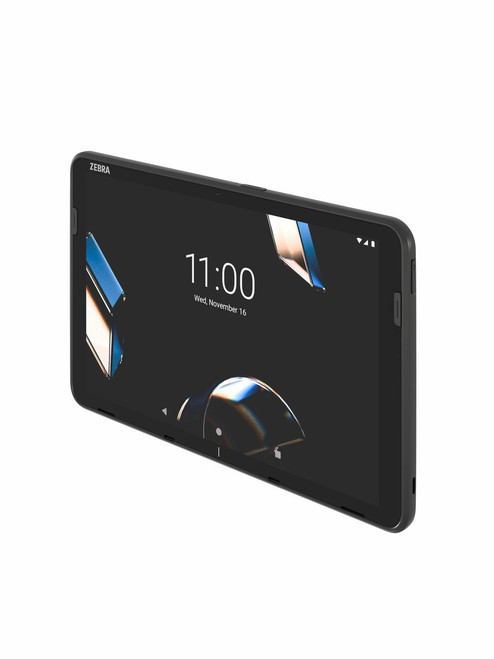 Key Features
- Display: 257mm (10.1 in) WUXGA, Gorilla Glass 5
- Rugged Design: IP68 sealed; 1.2 m (4 ft) drop spec
- Processor: Qualcomm Dragonwing Q-6690 AI-enabled
-
 Zebra ET60 Enterprise Rugged Android Tablet
SKU: ET60AW-0SQAGSK0A0-NA
Key Features- Durability: MIL-STD-810H, IP65 rated rugged design
- Display: 1000 nit display for indoor/outdoor visibility
- Scanner: SE55 1D/2D advanced range scan engine
-
 Key Features
- Size: 25.4 x 279.4 mm (1 x 11 in) adult
- Material: Direct Thermal White Polypropylene
- Quantity: Case of 6 rolls, 175 labels per roll
-
 Key Features
- Processor: Qualcomm Q-6690 AI engine, 12 GB RAM
- Connectivity: Wi-Fi 7, 5G Release 17, Bluetooth 6, UHF RFID
- Durability: 2.7m (9 ft) drop spec with boot, IP68 sealed
-
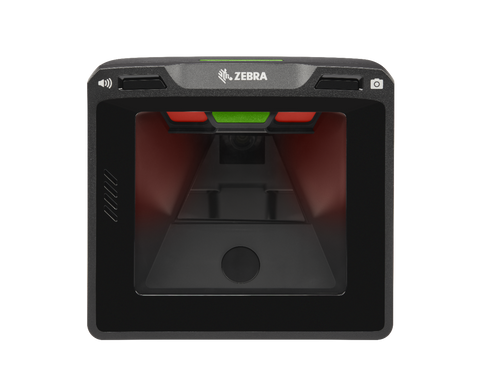 Key Features
- Scanning: 1D, 2D, and Digimarc barcodes
- Performance: Up to 40% faster scanning at self-checkout
- Durability: IP52 sealing protects against spills and dust
-
 Key Features
- Display: Supports 15-inch and 22-inch displays
- Modularity: Z-Flex connectors for peripheral integration
- Platform: Zebra's Android enterprise platform with Wi-Fi 6E
-
 Key Features
- Processor: 2.5 times more processing power
- Connectivity: 5G, LTE, Wi-Fi 6E, Bluetooth 5.3
- Durability: Dual IP65/IP67 rated, 2.4 m (8 ft) drop spec
-
 Zebra ET60W Rugged AI-Driven Tablet
SKU: ET60W
Key Features- AI Engine: Intel Core Ultra platform, 70% faster AI applications
- Display: 10.1" 1000 nit AI-enabled touchscreen
- Ruggedness: MIL-STD-810H, IP66, extreme temperature rated
-
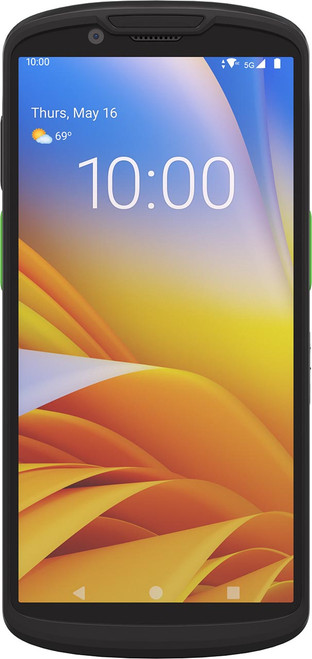 Key Features
- Processor: Qualcomm octa-core with Secure Element
- Display: Large, bright 6-inch HD display
- Connectivity: Wi-Fi 6E and second generation 5G
-
 Key Features
- Display: 4-inch WVGA touchscreen with Gorilla Glass
- Data Capture: SE4850 extended range Imager (captures 1D/2D barcodes)
- Processor: 2.2 GHz octa-core processor and 4 GB RAM/32 GB Flash
More about Sustainable RFID & Barcode Solutions
Discover sustainable RFID and barcode solutions built to improve efficiency, traceability, and environmental responsibility across modern supply chains. Designed with eco-friendly materials and advanced engineering, these solutions help businesses reduce waste, enhance inventory accuracy, and streamline operations through durable and recyclable technologies. From advanced RFID tags to high-performance barcode labels to innovative linerless printing technology, these solutions deliver reliable data capture while minimizing environmental impact. Ideal for retail, logistics, healthcare, and manufacturing, these products enable more efficient asset management and greener operations without sacrificing performance, scalability, or reliability.