-
 Zebra RS2100 Bluetooth Ring Wearable Barcode Scanner
SKU: RS21C0-TS00ZWR
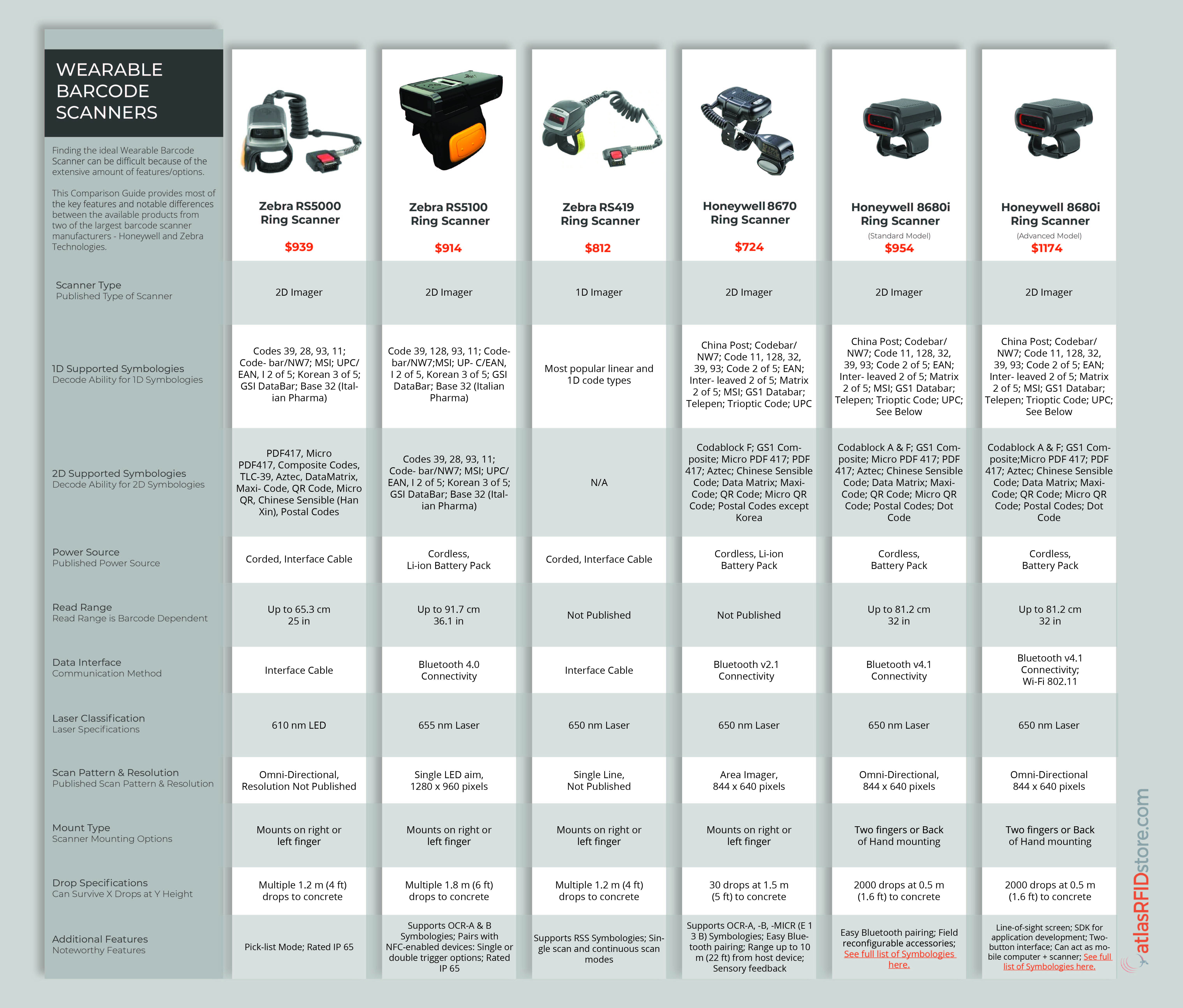
Key Features- Form Factor: Smallest enterprise wearable ring scanner
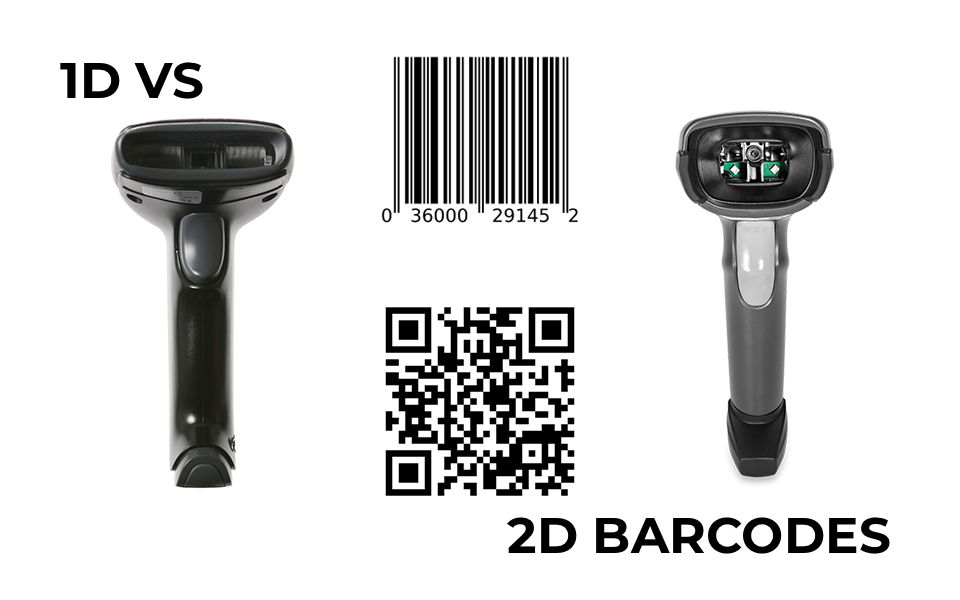
- Scanning: Integrated 1D/2D barcode capture
- Connectivity: Bluetooth for Zebra, Apple, Android, PCs
-
 Key Features
- Performance: Captures 1D and 2D barcodes up to 0.9 m (3 ft) away
- Durability: Operates down to -30°C (-22°F), IP65 sealed, 1.2 m (4 ft) drop spec
- Design: Ambidextrous, lightweight (78 g), corded, dual trigger options
-
 Key Features
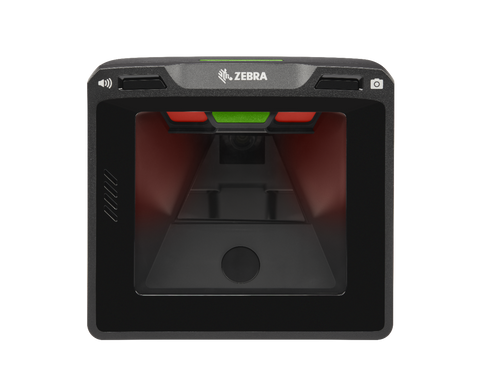
- Scanning: 1D, 2D, and Digimarc barcodes
- Performance: Up to 40% faster scanning at self-checkout
- Durability: IP52 sealing protects against spills and dust
-
 Key Features
- Scanning: 1D and 2D barcode imaging
- Form Factor: Cordless handheld
- Connectivity: Bluetooth 5.2
-
 Key Features
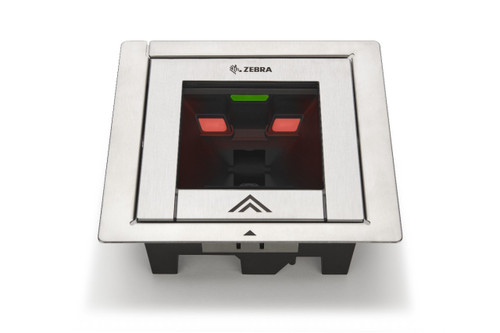
- High-Speed Performance: Scans up to 305 cm/s (120 in/s)
- In-Counter Design: 152 x 152 x 86 mm (6.0 x 6.0 x 3.4 in)
- Advanced Imaging: Reads damaged 1D, 2D, and Digimarc barcodes
-
 Key Features
- Imaging: 2 MP sensor with PRZM Intelligent Imaging technology
- Durability: Survives 1.8 m (6 ft) drops and 2,000 tumbles
- Warranty: Five-Year Standard Manufacturer Warranty
More about Sustainable Barcode Scanners
Sustainable barcode scanners provide reliable scanning performance while helping businesses support more responsible technology and sustainability goals. Designed with durability, energy efficiency, and extended product lifecycles in mind, these eco-conscious barcode scanning solutions can help reduce electronic waste and the environmental impact associated with frequent device replacement. Ideal for retail, warehousing, logistics, manufacturing, healthcare, and other high-volume applications, sustainable barcode scanners deliver dependable 1D and 2D barcode capture for everyday workflows. Explore sustainable scanning solutions from leading brands like Zebra, built to combine operational efficiency, long-term usability, and more environmentally conscious technology.
Top Brands







Sustainable Barcode Scanners Built to Last
A scanner that needs replacing every year isn't sustainable, regardless of what it's made of. At Atlas RFID, our sustainable barcode scanners are built around documented durability and long service life, helping retail, warehousing, logistics, manufacturing, and healthcare operations reduce electronic waste and the replacement cycle that drives it.
The featured Zebra DS8208, for example, is rated to survive 1.8-meter (6-foot) drops to concrete and 2,000 tumbles, backed by a five-year manufacturer warranty. That warranty length is itself a sustainability signal: a manufacturer only backs a device for five years when it's confident the hardware will still be working reliably at the end of them, not needing early replacement.
Longer service life this way means fewer devices manufactured, shipped, and discarded over the life of a scanning fleet, which is the real mechanism behind reduced environmental impact, not a material claim on its own.
Evaluating a Sustainable Barcode Scanner
A few concrete factors separate a genuinely longer-lasting scanner from one that just uses the word "sustainable":
- Warranty length: A longer standard or extended warranty, like the DS8208's five years or the RS2100's optional three-year Zebra OneCare Essential coverage, reflects real confidence in long-term reliability rather than a marketing claim.
- Wearable, wireless design: A ring scanner like the RS2100, at just 0.07 lbs with a small embedded battery, uses far less material and power than a bulkier corded or handheld device, while still surviving 1.8m drops of its own.
- Sealed, rated construction: An IP-rated housing keeps dust and moisture from causing the internal failures that lead to early scanner replacement, extending the device's useful working life.
Not sure whether a wearable or handheld scanner fits your operation's durability and workflow needs? Our team can help you compare documented specs across both.
Frequently Asked Questions: Sustainable Barcode Scanners
If you have questions about choosing a sustainable barcode scanner for your operation, check out the answers to our most frequently asked questions below.
What makes a barcode scanner sustainable?
The clearest sustainability factors for a barcode scanner are documented durability, such as drop and tumble ratings, a long manufacturer warranty, and a design that survives years of daily use instead of needing frequent replacement. Fewer replacements across a fleet's lifetime means less manufacturing demand and less electronic waste overall.
Why does a longer warranty matter for sustainability?
A manufacturer only offers a five-year warranty, like the one on the DS8208, when internal testing shows the device reliably lasts that long. A longer warranty is a documented, verifiable signal of expected service life, unlike a general "durable" or "sustainable" claim with no backing.
Are wearable ring scanners more sustainable than handheld scanners?
A wearable ring scanner uses significantly less material and a smaller battery than a bulkier corded or handheld device, which can lower its manufacturing footprint. That said, sustainability still depends on the specific device's durability and warranty, so compare documented specs rather than assuming wearable is automatically the greener choice.
How can I extend the life of my barcode scanner fleet?
Choosing scanners with documented drop and tumble ratings and a strong manufacturer warranty is the first step. Taking advantage of extended coverage programs, like Zebra OneCare, and repairing rather than replacing damaged units when possible, keeps devices in service longer and reduces the need for early fleet-wide replacement.
Shop Sustainable Barcode Scanners at Atlas RFID
Explore durable, well-warrantied barcode scanners built for longer service life across retail, warehousing, logistics, manufacturing, and healthcare operations. Not sure whether a wearable or handheld scanner fits your operation? Our team can help you find the right match.
Contact Us