
-
 Key Features
- Size: 50.8 mm x 25.4 mm (2" x 1")
- Material: PolyPro 3000T Thermal Transfer Polypropylene
- Quantity: Case of 8 rolls, 2,100 labels per roll
-
 Key Features
- Size: 4" x 2"
- Material: Thermal Transfer Gloss Polyester, Acrylic Adhesive
- Quantity: Case of 4 rolls, 2,950 labels per roll
-
 Key Features
- Size: 50.8 mm x 25.4 mm (2" x 1")
- Material: Thermal Transfer Gloss Polyester, Acrylic Adhesive
- Quantity: Case of 4 rolls, 5,570 labels per roll
-
 Key Features
- Size: 101.6 mm x 50.8 mm (4" x 2")
- Material: Thermal Transfer Gloss Polyester, permanent acrylic adhesive
- Durability: Excellent smear, scratch, and chemical resistance. UL/cUL recognized
-
 Zebra 1" x 1.5" PolyPro 3000T Thermal Transfer Label | For Desktop Printers | Case of 1 Roll - 1,450 Labels per Roll
SKU: 10023329
Key Features- Material: PolyPro 3000T thermal transfer matte polypropylene
- Temperature Range: -54°C to 80°C (-65°F to 200°F)
- FDA Compliance: Meets 175.105 for indirect food contact
-
 Zebra 1" x 2" PolyPro 4000T Removable Thermal Transfer Label | For Desktop Printers | Case of 1 Roll - 1,025 Labels per Roll
SKU: 10022931
Key Features- Material: DuraGrip Thermal Transfer Topcoated Polypropylene, 8.0 mil total
- Adhesive: Removable acrylic adhesive allows clean removal
- Temperature: Service range of -18°C to 71°C (0°F to 160°F)
-
 Key Features
- Size: 1" x 0.5" (width x height)
- Material: Gloss polyester, removable acrylic adhesive
- Quantity: 1 roll, 2,500 labels per roll
-
 Key Features
- Durability: Unparalleled smear and scratch resistance
- Compliance: FDA 175.105 for indirect food contact, UL certified
- Resistance: Repeated freeze and thaw cycles, chemical exposure
-
 Key Features
- Durability: Unparalleled smear and scratch resistance
- Compliance: FDA 175.105 for indirect food contact, UL certified
- Resistance: Excellent chemical and extreme temperature resistance
-
 Key Features
- Material: PolyPro 3000T, white matte, permanent acrylic adhesive
- Temp Range: -54°C to 80°C (-65°F to 200°F)
- Compliance: FDA 175.105 for indirect food contact
-
 Key Features
- Material: PolyPro 4000T Removable, Matte Polypropylene
- Adhesive: Removable acrylic with excellent chemical resistance
- Temperature Range: -18°C to 71°C (0°F to 160°F) service
-
 Key Features
- Smear & Scratch Resistance: Ultimate smear and scratch resistance
- Temperature Range: -40°C to 150°C (-40°F to 302°F)
- Compliance: FDA 175.105 for indirect food contact
-
 Key Features
- Size: 2.75" x 1.25"
- Material: Z-Ultimate 4000T High-Tack Silver Polyester
- Adhesive: High-tack permanent acrylic with FDA 175.105 compliance
-
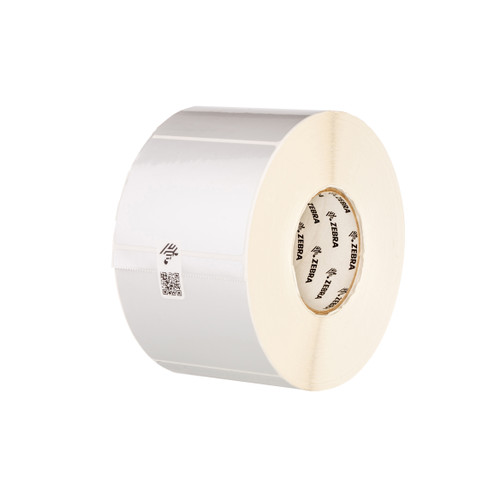 Key Features
- Adhesive: High-tack permanent acrylic for challenging surfaces
- Compliance: FDA 175.105 for food contact, UL certified solution
- Durability: -40°C to 150°C (-40°F to 302°F) service temp, 3-year exterior life
-
 Key Features
- Size: 1.5" x 0.5" (width x height)
- Material: Z-Ultimate 4000T Gloss Polyester, High-Tack Adhesive
- Quantity: Case of 1 roll, 10,000 labels per roll
-
 Zebra 4" x 2" EnduraGuard 4000D Direct Thermal Label | For Mobile Printers | Case of 36 Rolls - 78 Labels per Roll
SKU: ZIPEGM10045248
Key Features- Size: 101.6 x 50.8 mm (4 x 2 in)
- Material: Direct thermal synthetic polypropylene, permanent acrylic adhesive
- Durability: UV, temperature (-54°C to 82°C), and chemical resistant
-
 Zebra 4" x 6" EnduraGuard 4000D Direct Thermal Label | For Mobile Printers | Case of 36 Rolls - 78 Labels per Roll
SKU: ZIPEGM10045247
Key Features- Size: 101.6 x 152.4 mm (4 x 6 in) direct thermal labels
- Material: Synthetic polypropylene, permanent acrylic adhesive
- Durability: Weather, chemical, and temperature resistant (-54°C to 82°C)
-
 Zebra 1.25" x 0.5" 8000T CryoCool Thermal Transfer Label | For Desktop Printers | Case of 12 Rolls - 4,900 Labels per Roll
SKU: ZIPCCD10043968
Key Features- Label: 1.25" x 0.5" (width x height)
- Material: CryoCool Polypropylene, Permanent Acrylic Adhesive
- Temperature: -196°C to 88°C (-320°F to 190°F) for cryogenic use
-
 Zebra 1.5" x 0.75" 8000T CryoCool Thermal Transfer Label | For Desktop Printers | Case of 4 Rolls - 3,500 Labels per Roll
SKU: ZIPCCD10043967
Key Features- Size: 1.5" x 0.75"
- Material: Polypropylene, permanent adhesive
- Extreme Temperature Range: -196°C to 88°C (-320°F to 190°F)
-
 Zebra 2" x 1.25" 8000T CryoCool Thermal Transfer Label | For Desktop Printers | Case of 16 Rolls - 2,200 Labels per Roll
SKU: ZIPCCD10043966
Key Features- Extreme Temperature Range: -196°C to 88°C (-320°F to 190°F)
- Adhesion: Outstanding to small diameter vials, even after freeze-thaw cycles
- Material: Polypropylene with permanent acrylic-based adhesive
-
 Zebra 1.25" x 0.5" 8000T CryoCool Thermal Transfer Label | For Industrial Printers | Case of 6 Rolls - 11,000 Labels per Roll
SKU: ZIPCCT10043965
Key Features- Extreme Temperature Range: -196°C to 88°C (-320°F to 190°F)
- Adhesion: Outstanding on small diameter vials & test tubes
- Quantity: Case of 6 Rolls, 11,000 Labels per Roll
-
 Zebra 1.5" x 0.75" 8000T CryoCool Thermal Transfer Label | For Industrial Printers | Case of 4 Rolls - 7,700 Labels per Roll
SKU: ZIPCCT10043964
Key Features- Size: 1.5" x 0.75"
- Extreme Temperature Range: -196°C to 88°C (-320°F to 190°F)
- Quantity: Case of 4 rolls, 7700 labels per roll
-
 Zebra 2" x 1.25" 8000T CryoCool Thermal Transfer Label | For Industrial Printers | Case of 6 Rolls - 5,000 Labels per Roll
SKU: ZIPCCT10043962
Key Features- Size: 50.8 mm x 31.75 mm (2" x 1.25")
- Extreme Temperature: -196°C to 88°C (-320°F to 190°F)
- Adhesive: Cold-temp permanent for small diameter vials
-
 Zebra 4" x 3" PolyPro 3000T Thermal Transfer Label | For Industrial Printers | Case of 1 Roll - 1,000 Labels per Roll
SKU: 10023336
Key Features- Size: 4" x 3" (width x height)
- Material: Polypropylene matte, permanent acrylic adhesive, 7.0 mil total thickness
- Temperature Range: -54°C to 80°C (-65°F to 200°F)
-
 Zebra 1.75" x 1.5" PolyPro 3000T Thermal Transfer Label | For Desktop Printers | Case of 1 Roll - 1,450 Labels per Roll
SKU: 10023333
Key Features- Size: 1.75" x 1.5"
- Material: Polypropylene, permanent acrylic adhesive
- Temperature Range: -54°C to 80°C (-65°F to 200°F)
-
 Zebra 1.75" x 1.5" PolyPro 3000T Thermal Transfer Label | For Industrial Printers | Case of 1 Roll - 2,000 Labels per Roll
SKU: 10023334
Key Features- Size: 1.75" x 1.5"
- Material: Thermal Transfer Matte Polypropylene
- Temperature Range: -54°C to 80°C (-65°F to 200°F)
-
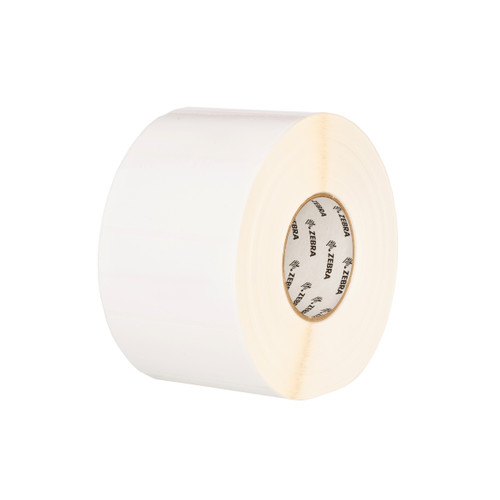 Zebra 1" x 2" PolyPro 3000T Thermal Transfer Label | For Industrial Printers | Case of 1 Roll - 2,000 Labels per Roll
SKU: 10023331
Key Features- Size: 25.4 mm x 50.8 mm (1" x 2")
- Material: PolyPro 3000T Matte Polypropylene, Permanent Acrylic Adhesive
- Temperature Range: -54\u00b0C to 80\u00b0C (-65\u00b0F to 200\u00b0F)
-
 Zebra 0.75" x 1.5" PolyPro 3000T Thermal Transfer Label | For Desktop Printers | Case of 1 Roll - 1,450 Labels per Roll
SKU: 10023326
Key Features- Size: 0.75" x 1.5"
- Material: Thermal Transfer Matte Polypropylene, Permanent Adhesive
- Temperature Range: -54°C to 80°C (-65°F to 200°F)
-
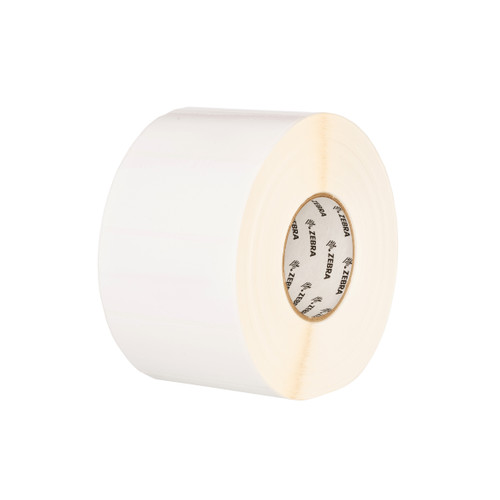 Zebra 1" x 1.5" PolyPro 3000T Thermal Transfer Label | For Industrial Printers | Case of 1 Roll - 2,000 Labels per Roll
SKU: 10023330
Key Features- Size: 2.54 cm x 3.81 cm (1" x 1.5")
- Material: Thermal Transfer Matte Polypropylene, Permanent Acrylic Adhesive
- Temperature Range: -54°C to 80°C (-65°F to 200°F)
-
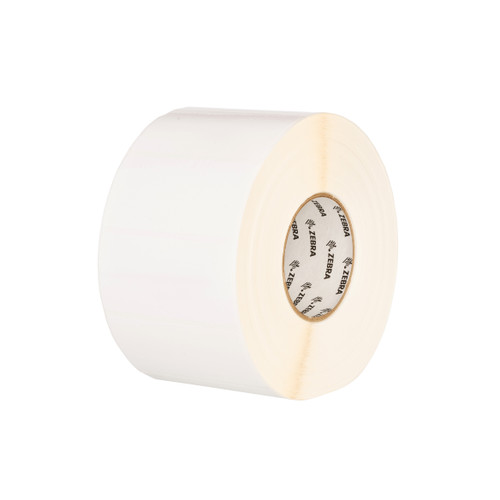 Zebra 1" x 1" PolyPro 3000T Thermal Transfer Label | For Desktop Printers | Case of 1 Roll - 2,000 Labels per Roll
SKU: 10023328
Key Features- Size: 1" x 1" (width x height)
- Material: PolyPro 3000T Thermal Transfer, Permanent Acrylic
- Temperature: Service -54°C to 80°C (-65°F to 200°F)
More about Rugged Barcode Labels
Designed for demanding environments, rugged barcode labels provide durable, long-lasting identification for products, equipment, assets, and inventory. Built to withstand exposure to moisture, chemicals, abrasion, temperature changes, and other harsh conditions, these industrial barcode labels deliver reliable scanning and readability where standard labels may fail. Ideal for manufacturing, warehousing, logistics, outdoor applications, and asset tracking, rugged barcode labels help maintain accurate identification throughout the life of an asset.