
-
 Key Features
- Print Width: 104 mm (4 in) with 203 dpi resolution
- Rugged Design: MIL-STD 810G certified, 2 m (6.6 ft) drop resistance
- Connectivity: Bluetooth 4.1, Optional 802.11ac Wi-Fi
-
 Key Features
- Print Width: 72 mm (3 in)
- Rugged Design: MIL-STD 810G certified, IP54 rated
- Connectivity: Bluetooth 4.1, Optional 802.11ac Wi-Fi
-
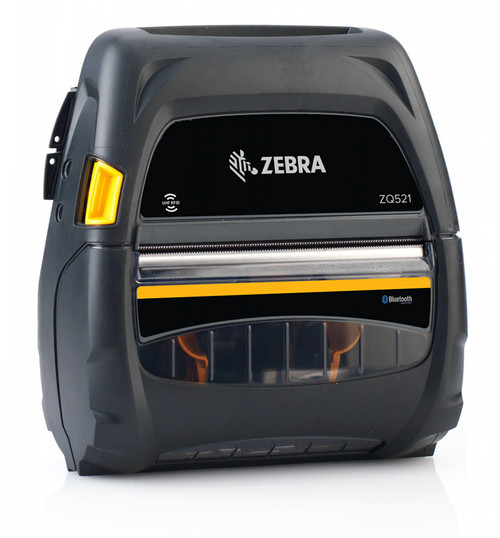 Zebra ZQ521R UHF RFID Direct Thermal Printer | Portable & Durable
SKU: ZQ52-BUW0300-00
Key Features- Print Method: Direct Thermal
- Resolution: 203 dpi, 4 Inch Print Width
- Connectivity: WLAN, Bluetooth 4.1, UHF RFID
-
 Zebra ZQ610 Direct Thermal Mobile Printer
SKU: ZQ61-AUWA000-00
Key Features- Print Method: Direct Thermal
- Resolution: 203 dpi
- Connectivity: USB, 802.11ac, Bluetooth 4.1
-
 Key Features
- Durability: Ultra-rugged IP54-rated, survives 2.1 m (6.88 ft) drops
- Battery: 7.2V, 3000mAh Li-ion smart battery with real-time status
- Connectivity: Bluetooth 4.2, NFC, USB 2.0, Wi-Fi (select models), AirPrint
-
 Key Features
- Printing Technology: Linerless Direct Thermal
- Print Speed: Up to 127 mm/sec (5 ips) at 203 dpi resolution
- Durability: IP54 rated, survives 2.1 m (6.88 ft) drops
-
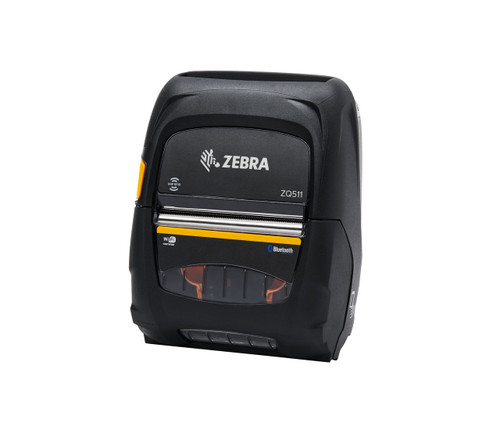 Zebra ZQ511R UHF RFID Direct Thermal Printer | Portable & Durable
SKU: ZQ51-BUW0300-00
Key Features- RFID Capabilities: UHF EPC Gen 2 V2, ISO/IEC 18000-63, RAIN RFID protocols
- Print Specifications: 72 mm (3 in) width, 203 dpi resolution
- Durability: MIL-STD 810G certified with 2 m (6.6 ft) drop resistance, IP54 rating
-
![[Clearance - ALL SALES FINAL] Zebra ZQ610 Plus Direct Thermal Mobile Barcode Label Printer | ZQ61-AUWA004-00-C | Atlas RFID](https://cdn11.bigcommerce.com/s-ka7ofex/images/stencil/500x659/products/14393/44297/Zebra_ZQ610_Plus_Direct_Thermal_Mobile_Barcode_Label_Printer_Right__51483.1755013305.1280.1280__90443.1782330802.jpg?c=2 "[Clearance - ALL SALES FINAL] Zebra ZQ610 Plus Direct Thermal Mobile Barcode Label Printer | ZQ61-AUWA004-00-C | Atlas RFID") [Clearance - ALL SALES FINAL] Zebra ZQ610 Plus Direct Thermal Mobile Barcode Label Printer
[Clearance - ALL SALES FINAL] Zebra ZQ610 Plus Direct Thermal Mobile Barcode Label PrinterSKU: ZQ61-AUWA004-00-C
Key Features- Print Method: Direct Thermal
- Connectivity: USB, 802.11ac or 802.11ax, Bluetooth 4.2 or 5.3
- Rugged Design: IP54 rated, survives 1.52 m (5 ft) drops to concrete
-
 Key Features
- Print Speed: 6 ips (152 mm/sec) at 203 dpi
- Durability: IP54 certified, 2.5 m (8.2 ft) drop-tested
- Connectivity: Bluetooth 2.1+EDR, Wi-Fi, Apple AirPrint
-
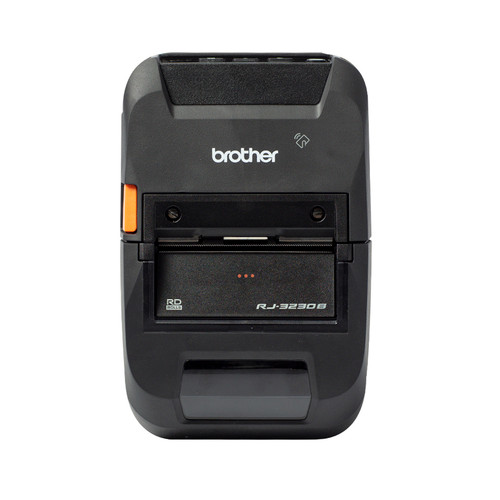 Key Features
- Print Speed: Up to 127 mm/sec (5 ips) at 203 dpi
- Durability: IP54 rated, withstands 2.0 m (6.56 ft) drops
- Connectivity: Bluetooth 5.0, USB-C, MFi support, ZPL II, CPCL
-
 Key Features
- Print Speed: Up to 5 ips at 203 dpi resolution
- Connectivity: Bluetooth 5.0, 5GHz Wi-Fi, USB-C, MFi support
- Durability: IP54 rated, withstands multiple 2.0 m (6.56 ft) drops
-
 Key Features
- Print Method: Direct Thermal, Linerless
- Resolution: 203 dpi, up to 115 mm (4.5 in)/sec
- Connectivity: USB, Bluetooth 4.2, Optional Wi-Fi 6
-
 Key Features
- Linerless: Reduced waste and fewer media changes
- Print Speed: Up to 127 mm (5 in) per second
- Durability: MIL-STD 810G, 2 m (6.6 ft) drop, IP54
-
 Key Features
- Print Width: 104 mm (4 in) with 203 dpi resolution
- Linerless Technology: Compatible with ZeroLiner labels
- Rugged Design: MIL-STD 810G certified, 2 m (6.6 ft) drop resistance
-
 Key Features
- Durability Rating: IP54 rated, 1.8 m (5.9 ft) drop resistant
- Connectivity: Bluetooth, optional Wi-Fi, USB 2.0 Type C
- RFID Features: Auto-calibration for easy UHF RFID label encoding
-
 Key Features
- Durability: IP54 rated, 1.8 m (5.9 ft) drop spec
- Battery: 6,200 mAh smart battery
- Connectivity: Bluetooth connectivity, optional Wi-Fi
-
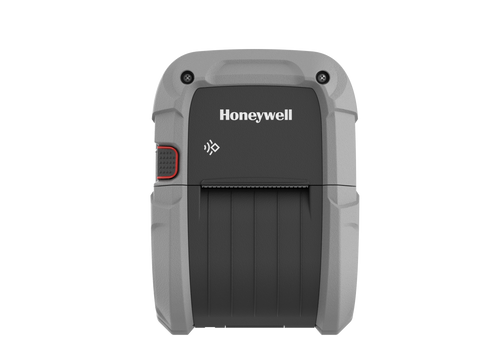 Honeywell RP2F Rugged Mobile Label/Receipt Printer
SKU: RP2F00N0D10
Key Features- Connectivity: 802.11 a/b/g/n/ac Wi-Fi, Bluetooth 5.0, NFC
- Durability: Survives 2 m (6.6 ft) drops, IP54 rated
- Print Width: 48 mm (1.89 in) receipts
-
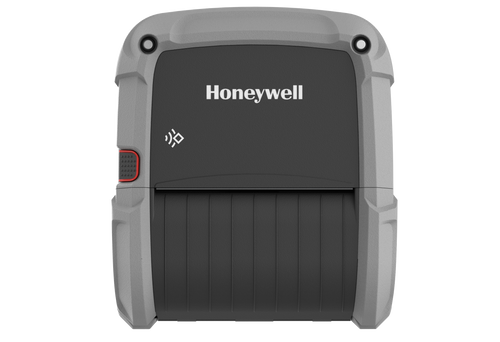 Key Features
- Connectivity: 802.11 a/b/g/n/ac Wi-Fi, Bluetooth 5.0, NFC
- Ruggedness: Survives 2 m (6.6 ft) drops, IP54 rated
- Print Width: 104.1 mm (4.1 in) receipts and labels
-
 Key Features
- Connectivity: USB, Bluetooth 4.2 or 5.3, optional Wi-Fi 5 or Wi-Fi 6
- Resolution: 203 dpi, 2 Inch Print Width
- Durability: Medical grade plastics, disinfectant ready
-
 Key Features
- Print Method: Direct Thermal
- Resolution: 203 dpi
- Connectivity: USB, Bluetooth 4.1, Optional 802.11ac
-
 Key Features
- Print Method: Direct Thermal
- Connectivity: USB, 802.11ac or 802.11ax, Bluetooth 4.2 or 5.3
- Rugged Design: IP54 rated, survives 1.52 m (5 ft) drops to concrete
More about Rugged Printers
Rugged printers are built to provide dependable label and receipt printing in demanding environments where mobility, durability, and reliable operation are essential. Designed to withstand drops, dust, moisture, vibration, and everyday wear, these durable printers support on-demand printing across warehouse, manufacturing, retail, logistics, transportation, field service, and inventory applications. Choose rugged printers that help keep printing workflows efficient and productive in challenging conditions.,