
-
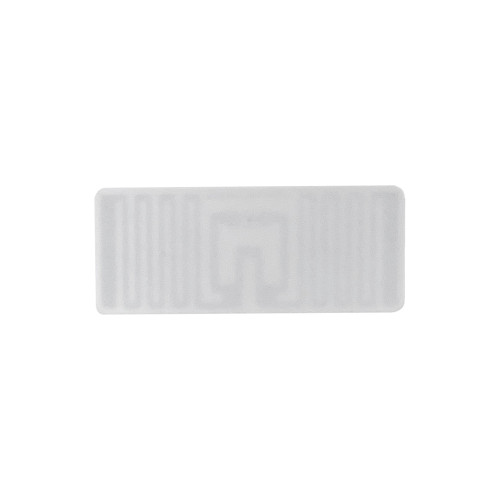
Tageos EOS-241 RFID Paper Tag | M830SKU: 2400000271
Key Features- ARC Certified: F, O, Q, R, W5, W6, Y2
- IC: Impinj M830
- Form Factor: Paper Tag
-
Vulcan RFID Glint UHF RFID Tag | NXP UCODE 9xeSKU: VUL-GLINT-U9XE-LBLPET
Key Features- Size: 25 x 15.5 x 0.211 mm (0.98 x 0.61 x 0.008 in)
- Memory: EPC 128 bits, TID 96 bits
- Form Factor: Compact adhesive label with NXP UCODE 9xe chip
-
Vulcan RFID Glimmer Loop UHF RFID Label for Jewelry Tracking | NXP UCODE 9SKU: VUL-GLIMMERLP-U9-LBLPET
Key Features- Tag Face: 28 x 15.875 x 0.217 mm (1.102 x 0.625 x 0.009 in)
- Memory: EPC 96 bits, TID 96 bits
- Form Factor: Loop-style label ideal for jewelry and high value asset tracking
-
Tageos EOS-241 RFID Wet Inlay | M830SKU: 2400000270
Key Features- Impinj Chip: M830 integrated circuit
- ARC Certified: F, O, Q, R, W5, W6, and Y2
- Applications: retail, apparel, inventory visibility
-
Key Features- Size: 76.2 mm x 13.97 mm (3" x 0.55")
- Quantity: Case of 2 rolls, 1,500 labels per roll
- Compatible With: Zebra Industrial and Desktop RFID Printers
-
Key Features- Wet Inlay+: Extra protection over IC
- Memory: 96 bits EPC memory
- IC Type: NXP UCODE 9
More about Jewelry RFID Tags
Jewelry RFID tags are designed for accurate, efficient tracking and identification of jewelry, watches, and other small, high-value items throughout retail and inventory operations. These compact RFID tags provide reliable item-level visibility for inventory management, stock counts, loss prevention, point-of-sale processes, and supply chain applications while fitting discreetly on jewelry and packaging. Available in a variety of sizes, form factors, and RFID inlay configurations, jewelry RFID tags help retailers improve inventory accuracy, streamline cycle counts, reduce manual scanning, and gain real-time visibility into valuable merchandise.
Top Brands
Jewelry RFID Tags Built for Discreet, Item-Level Tracking
Counting a case of rings or chains one barcode at a time is slow, and a visible tag on a high-value display piece is a hard sell to customers. At Atlas RFID, our jewelry RFID tags are built for exactly that gap, supporting item-level inventory management, stock counts, loss prevention, and supply chain visibility for jewelry, watches, and other small, high-value merchandise.
RFID's real advantage over barcode here is speed and reach: a single scan can read an entire case or display of tagged jewelry at once, without a direct line of sight to each barcode. For a jewelry counter running frequent stock counts, that turns a task that takes minutes per item into one that takes seconds for dozens.
Discreet design matters just as much. Featured tags here range from a low-profile adhesive label to a compact 25mm tag meant to hide inside packaging, so the tracking hardware never distracts from the piece on display.
Choosing the Right Jewelry RFID Tag
Jewelry RFID products come in several formats, and knowing which one fits your application starts with the terminology:
- Tag vs. label vs. inlay: A tag, like the Vulcan RFID Glint, is a small, self-contained unit with adhesive backing, built to be applied directly to packaging or a display. A label wraps the same RFID components in a printable paper or film face, often shaped as a loop that wraps around a ring or chain without sticking to it. An inlay is the bare chip-and-antenna component, meant to be built into a custom label, tag, or packaging insert rather than applied on its own.
- Wet vs. dry inlay: A wet inlay comes with adhesive already applied, ready to stick directly to a surface. A dry inlay has no adhesive and is designed to be laminated or converted into a finished label or card.
- Metal and surface proximity: Standard RFID tags can detune near metal displays, cases, or fixtures. If your jewelry is stored or displayed near metal, confirm the tag is rated for that surface or positioned away from direct metal contact.
Not sure whether you need a tag, a label, or an inlay for your packaging or display setup? Our team can help you match the right jewelry RFID format to your application.
Frequently Asked Questions: Jewelry RFID Tags
If you have questions about choosing jewelry RFID tags for your retail or inventory application, check out the answers to our most frequently asked questions below.
Why use RFID instead of barcodes for jewelry inventory?
RFID lets you scan an entire case or display of tagged jewelry in one pass, without lining up a direct line of sight to each individual barcode. For frequent stock counts on high-value, item-level inventory, that speed and bulk-read capability is the main advantage RFID has over barcode scanning.
What's the difference between an RFID tag, label, and inlay?
A tag is a small, self-contained unit with adhesive backing, applied directly to packaging or a surface. A label wraps the same RFID chip and antenna in a printable paper or film face, sometimes shaped as a loop for wrapping around jewelry. An inlay is just the bare chip-and-antenna component, meant to be built into a custom label, tag, or packaging insert rather than used on its own.
What makes a jewelry RFID tag "discreet"?
A discreet RFID tag is small and low-profile enough to be applied inside packaging, on a display fixture, or on a loop that wraps around the jewelry without covering it, so the tracking hardware isn't visible or distracting to a shopper looking at the piece.
Do metal display cases interfere with jewelry RFID tags?
Yes, standard RFID tags can detune when placed directly on or very close to metal, which can reduce read range or reliability. If your jewelry is displayed in metal cases or fixtures, position the tag away from direct metal contact or confirm the tag is rated for on-metal use before deploying it at scale.
Shop Jewelry RFID Tags at Atlas RFID
Explore discreet RFID tags, labels, and inlays built for item-level tracking of jewelry, watches, and other small, high-value merchandise. Not sure whether you need a tag, a label, or an inlay for your setup? Our team can help you find the right match.
Contact Us


