RFID for Returnable Containers: Eliminating Shrink in Supply Chains
Returnable transport items (RTI) such as totes, racks, and pallets are designed to move continuously through supply chains. In theory, these closed-loop systems should limit loss. In reality, shrink still occurs, often quietly and consistently.
Manufacturers and logistics providers lose returnable containers at handoff points, staging areas, and during transportation between facilities. These losses increase replacement costs, disrupt operations, and reduce confidence in inventory data. RFID provides a way to shift from a closed loop model to a controlled loop by adding visibility where it is most needed.
Why Shrink Happens in Closed-Loop Systems
Even in tightly managed supply chains, RTIs pass through multiple hands and environments. Each transfer introduces risk.
Containers may move between internal teams, third-party carriers, suppliers, and customers. At each transition, accountability becomes less clear. Items staged at dock doors or yards can sit untracked for extended periods. When containers move without being scanned or logged, they effectively disappear from the system.
Over time, these gaps add up. What begins as a small percentage of loss becomes a recurring operational cost.
The Limits of Barcode-Based Tracking
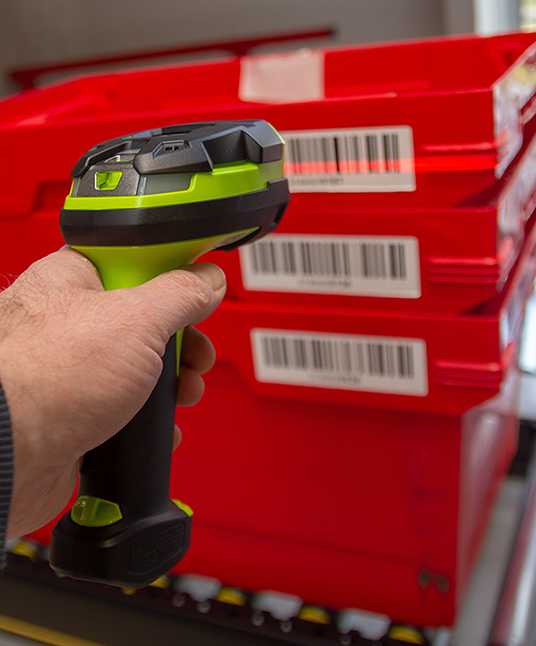
Barcodes remain useful in many supply chain workflows, but they depend on consistent human participation. Each container must be scanned intentionally and correctly at every transition.
In high-volume environments, this level of compliance is difficult to maintain. Missed scans, damaged labels, or rushed handoffs create blind spots. Once a container bypasses a scan point, its location becomes uncertain.
For RTIs that circulate constantly, barcode-based systems often lack the consistency required to prevent shrink.
How RFID Changes the Model
RFID shifts RTI tracking from manual confirmation to automated visibility. Tagged containers can be identified without line-of-sight scanning and without requiring staff to pause workflows.
This capability allows organizations to detect movement through key transition points automatically. Instead of asking whether a container was scanned, teams can confirm when and where it was last seen.
The result is a controlled loop where container movement is continuously monitored rather than assumed.
Read Zones and Read Points That Matter
Effective RFID systems focus on the moments where RTIs are most likely to be lost.
Common read points include:
- Dock doors where containers enter or leave a facility
- Yard gates where trailers and assets move between locations
- Production exits where finished goods are staged
- Distribution center transitions during inbound and outbound processing

Zebra fixed RFID readers can be deployed at these locations to capture container movement automatically. Handheld RFID readers support audits, investigations, and exception handling when questions arise.
Together, these tools create a layered approach to visibility that aligns with real-world supply chain activity.
Turning Data into Insight
RFID does more than confirm presence. Over time, data reveals patterns.
Organizations can identify which locations experience the most loss, how long containers remain idle, and where process breakdowns occur. This insight supports targeted improvements rather than broad assumptions.
Instead of replacing containers continuously, teams can address the root causes of shrink.
Implementing RFID with the Right Strategy
RTI tracking requires careful planning. Read zones must align with physical workflows. Tags must be selected based on container type and environment. Data must integrate with existing systems.
Atlas RFID works with manufacturers and logistics providers to design RFID systems that support controlled loop visibility. By focusing on where loss occurs and how assets move, organizations can reduce shrink without adding operational burden.
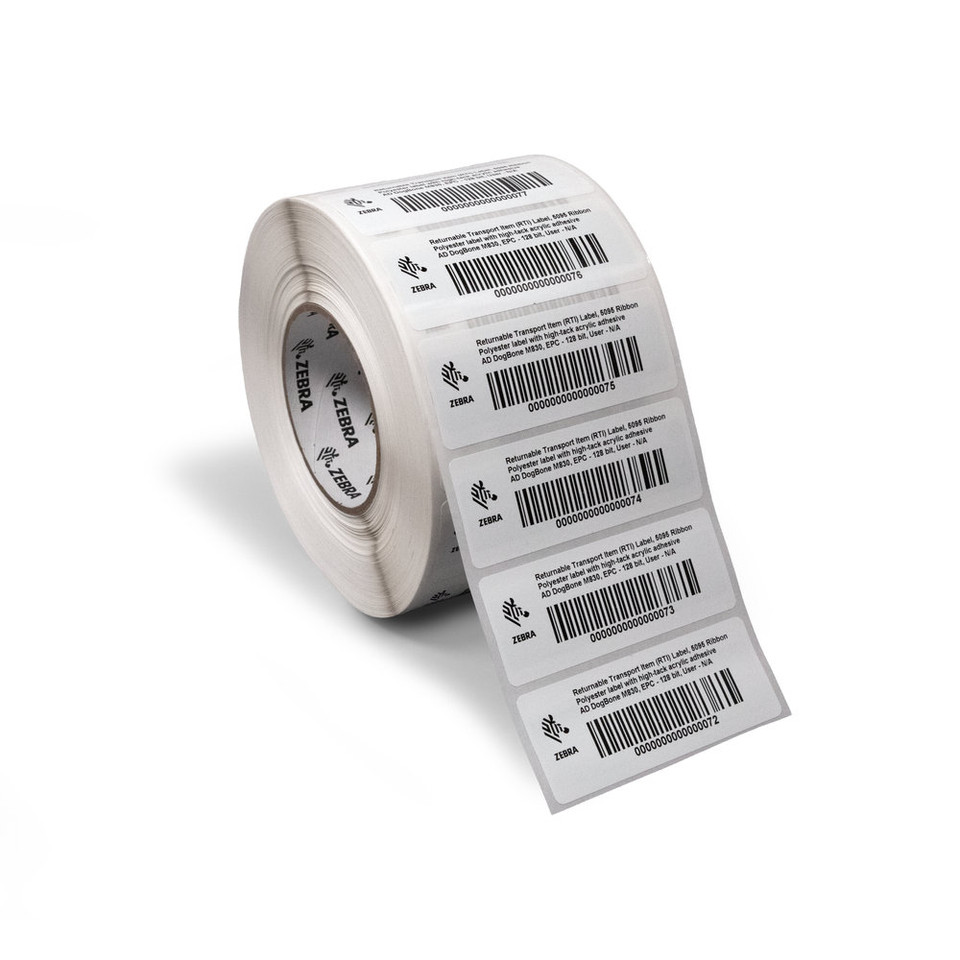
Selecting the right tag is a critical part of that strategy. The Zebra 3.88" x 1.31" Returnable Transport Item (RTI) M830 RFID label is designed to bring consistent, long-range visibility to reusable containers moving through complex supply chains. Built with the advanced AD Dogbone™ M830 inlay and Impinj M830 chip, it delivers reliable read performance at distances up to 21 meters, even on challenging materials like plastic, metal, and cardboard, where traditional RFID tags often lose reliability. This makes it particularly effective in high-volume environments where containers are stacked or nested, ensuring accurate data capture without slowing operations.
Its rugged, thermal transfer synthetic construction and permanent acrylic adhesive provide durability in harsh conditions, resisting UV exposure, chemicals, and extreme temperatures for up to five years. By enabling dependable, real-time tracking of returnable assets, the label helps reduce loss, streamline workflows like dock door scanning, and ultimately improve operational efficiency across industries such as manufacturing, logistics, and healthcare.
A Practical Path Forward
Shrink in closed-loop supply chains is not ineveitable. It is often the result of limited visibility at crirical transition points.
RFID provides a practical way to close those gaps. By automating RTI tracking and focusing on the moments that matter most, organizations can protect assets, improve accountability, and gain confidence in their supply chain data.