What Is Driver’s License Parsing in Barcode Scanning?
When most people think of barcode scanning, they picture retail checkout. But modern scanners can also read the 2D PDF-417 barcode on the back of a U.S. driver’s license. When that scan is paired with barcode parsing, the result is structured, usable data instead of a long string of encoded text.
This is known as Driver’s License Parsing.
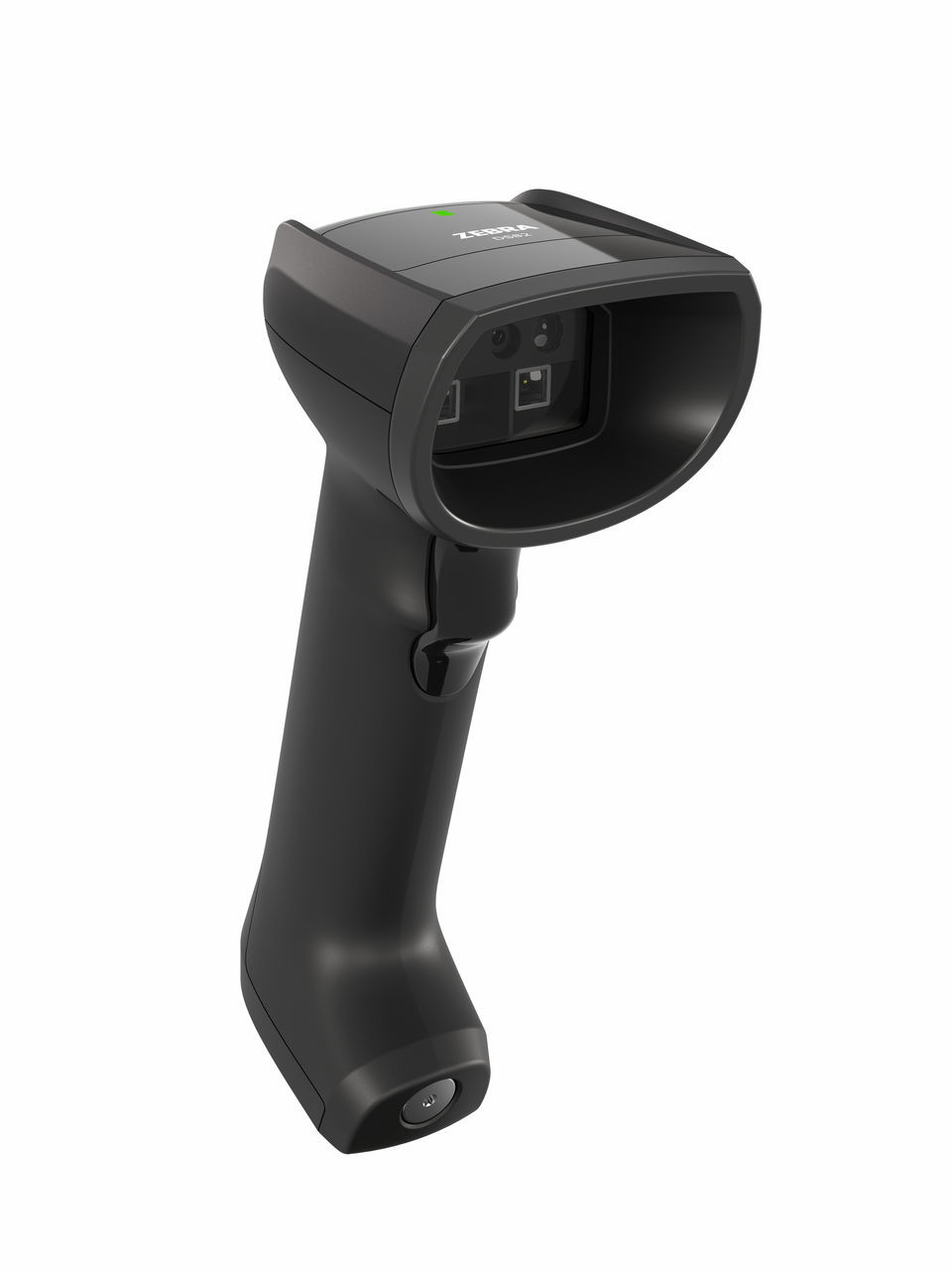
Scanners from Zebra Technologies are designed to read these barcodes and extract specific fields such as name, address, date of birth, license number, and expiration date. Instead of pushing raw data into your system, the scanner separates and formats the information so it can drop directly into the correct fields in your POS, registration, or warehouse application.
- What Is Driver’s License Parsing in Barcode Scanning?
- What Is Barcode Parsing?
- Why Businesses Choose to Scan Driver’s Licenses
- Age Verification Without Slowing Down Checkout
- Faster Front Counter Transactions
- Cleaner, More Reliable Data
- Implementation: What It Typically Involves
- The Operational Takeaway
What Is Barcode Parsing?
At a practical level, barcode parsing means the scanner does more than read the barcode. It interprets the structured data inside it and outputs only what your system needs. Without parsing enabled, scanning a driver’s license often produces a dense block of text that your software must interpret.
With parsing configured, the scanner can:
- Filter out unnecessary data
- Send fields in a specific order
- Match the formatting required by your application
For operations teams, this reduces integration work and eliminates extra handling on the software side.
Why Businesses Choose to Scan Driver’s Licenses
Most use cases fall into three practical categories: compliance, speed, and data accuracy.
Age Verification Without Slowing Down Checkout
Retailers selling regulated products must verify age consistently. Manually reading and typing a birthdate adds friction and increases the chance of human error.
When you scan driver’s licenses with parsing enabled, the date of birth automatically populates in the POS. The system performs the age check immediately, and the process becomes standardized across every shift and location. It is faster, and it creates a repeatable compliance workflow.
Faster Front Counter Transactions
In warehouse and distribution environments, driver’s license scanning is often used at:
- Will-call counters
- Equipment rental desks
- Visitor check-in stations
- Trade counter sales
Manually entering customer data slows throughput and creates bottlenecks, especially during peak hours. With Driver’s License Parsing, a single scan captures the necessary information in seconds. For warehouse managers focused on operational flow, this is a simple way to reduce wait times without changing staffing levels.
Cleaner, More Reliable Data
Operations leaders understand the downstream impact of bad data. Misspelled names, incorrect addresses, and inconsistent formatting can lead to duplicate records, delivery issues, or reporting gaps.
By combining barcode scanning with structured parsing rules, data is captured consistently every time. This reduces manual keying errors and supports cleaner records across systems.
Implementation: What It Typically Involves
Deploying Driver’s License Parsing is usually straightforward. You need a 2D barcode scanner capable of reading PDF-417 barcodes and configuration tools to define which fields you want to extract.
With Zebra Technologies scanners, parsing can be configured to output only the data elements your system requires.
In most cases, this means:
- Selecting compatible hardware
- Configuring parsing rules
- Mapping output fields to your existing software
For operations teams, this keeps the change manageable. There is no need for a major system overhaul, just a smarter way to capture ID data.
The Operational Takeaway
If your environment requires identity verification, age checks, or fast customer intake, investing in a scanner that supports Driver’s License Parsing is a practical improvement.
It reduces manual entry, standardizes compliance workflows, and improves data quality. For warehouse managers and operations leaders, it is not about adding new complexity. It is about removing friction from processes that happen every day.