
New Zebra TC22R: An Integrated RFID Reader + Mobile Computer
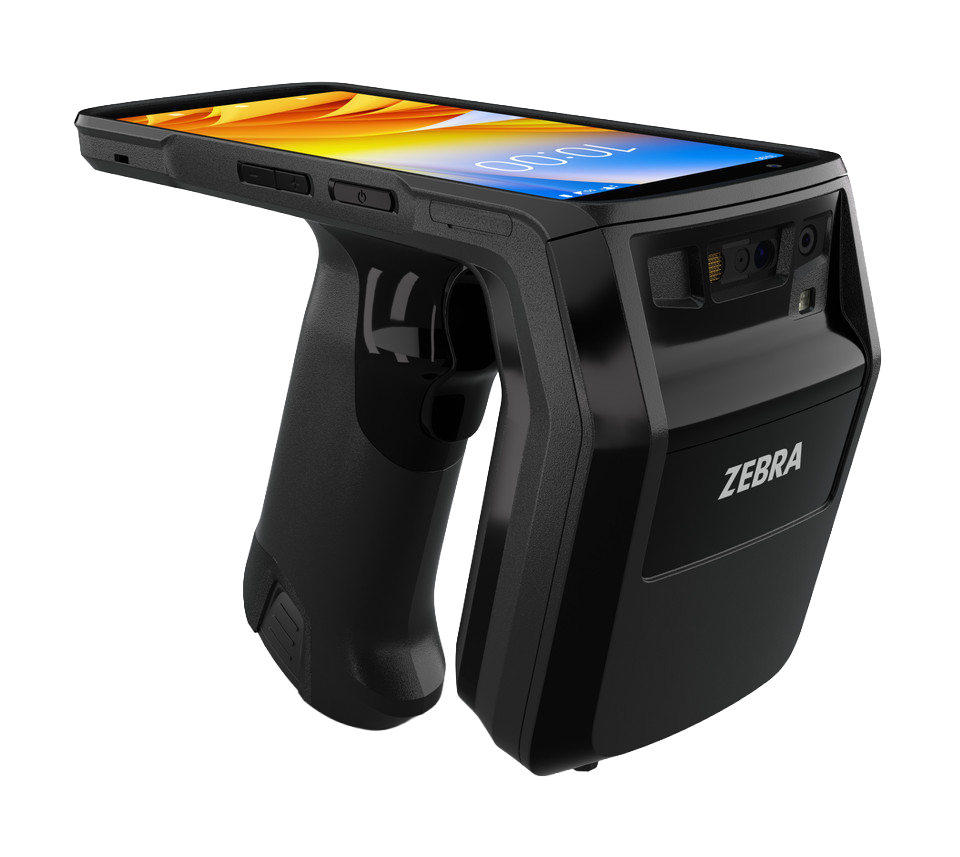
The Zebra TC22R RFID reader is an RFID mobile computer designed around an all-in-one architecture. It combines UHF RFID reading with a 1D/2D barcode scanner, an enterprise Android platform, NFC, Wi-Fi, and Bluetooth. Zebra's current specification sheet lists an SE4710 scan engine, integrated NFC, Bluetooth 5.2, and Wi-Fi 6/6E capabilities.
In practical terms, workers don't have to manage a separate mobile computer and RFID accessory to complete common data-capture tasks. A warehouse employee, for example, can perform an RFID inventory count, scan a barcode, and interact with a warehouse application from the same handheld. That makes the TC22R an all-in-one RFID reader that can reduce the number of individual components involved in deployment, charging, device handoff, and day-to-day use.
5 Things to Know About the Zebra TC22R
1. It Can Read Up to 1,300 RFID Tags per Second
Zebra publishes a maximum read rate of up to 1,300 RFID tags per second, giving the TC22R the RFID read performance needed for applications such as inventory counts and asset searches.
Actual performance will vary based on the RFID tags, tagged materials, surrounding environment, reader configuration, and software application. Organizations should test representative tagged items in their own operating environment before setting performance expectations.
2. RFID and Mobile Computing Are Built Into One Device
The TC22R's strongest distinction is that the integrated RFID reader and mobile computer share a single enclosure. Workers have fewer separate components to carry, charge, pair, issue, and maintain.
That can matter during everyday operations. A retail associate beginning an inventory count can pick up one handheld RFID reader and get to work rather than preparing multiple pieces of hardware. The same principle can simplify shared-device environments because employees starting a new shift receive one complete unit instead of several components that need to remain paired together.
3. It Runs on an Enterprise Android Platform
The TC22R runs Android and is designed as an enterprise-managed RFID mobile computer. Zebra states that the Android-based platform can be supported by mainstream mobile device management systems, giving IT teams a familiar way to incorporate it into existing deployment and management processes.
That makes the TC22R particularly relevant for organizations already using Android-based Zebra devices or business applications. Employees can capture RFID or barcode data and work within enterprise software from the same platform rather than moving between separate devices.
4. The Form Factor Is Designed for Extended Use
Zebra describes the TC22R as a lightweight, all-touch handheld designed for inventory and asset-tracking work over extended periods. The current specification lists a weight of 20.07 ounces, or 569 grams.
This matters because handheld RFID workflows can involve sustained periods of walking and scanning. During cycle counts, item searches, or asset audits, a worker may spend a substantial portion of a shift moving through aisles with the reader in hand. The TC22R's integrated form factor is designed to reduce fatigue during those longer sessions without separating the RFID reader from the computing platform.
5. It Combines Ruggedness, Connectivity, and Data Capture
The TC22R isn't limited to RFID. It includes barcode scanning and NFC alongside modern wireless connectivity, including Wi-Fi 6/6E support and Bluetooth 5.2. Zebra also specifies IP65 sealing, a 500-cycle tumble specification, and multiple 5-foot drops to concrete.
Warehouses, retail backrooms, stockrooms, and other enterprise environments often require a device to collect several types of data while staying connected to business applications. This handheld enterprise RFID reader design brings those functions into one piece of equipment instead of treating RFID as a stand-alone task.
Where Does the TC22R Fit?
For organizations evaluating an integrated RFID handheld, the main distinction is device simplicity. Fewer separate components can mean less hardware for employees to manage and potentially fewer steps during deployment and device handoff. That doesn't automatically make an integrated design the right choice for every operation. Existing hardware, software applications, workflow requirements, accessory needs, and IT standards should still shape the final enterprise RFID reader decision.
Who Should Consider the Zebra TC22R?
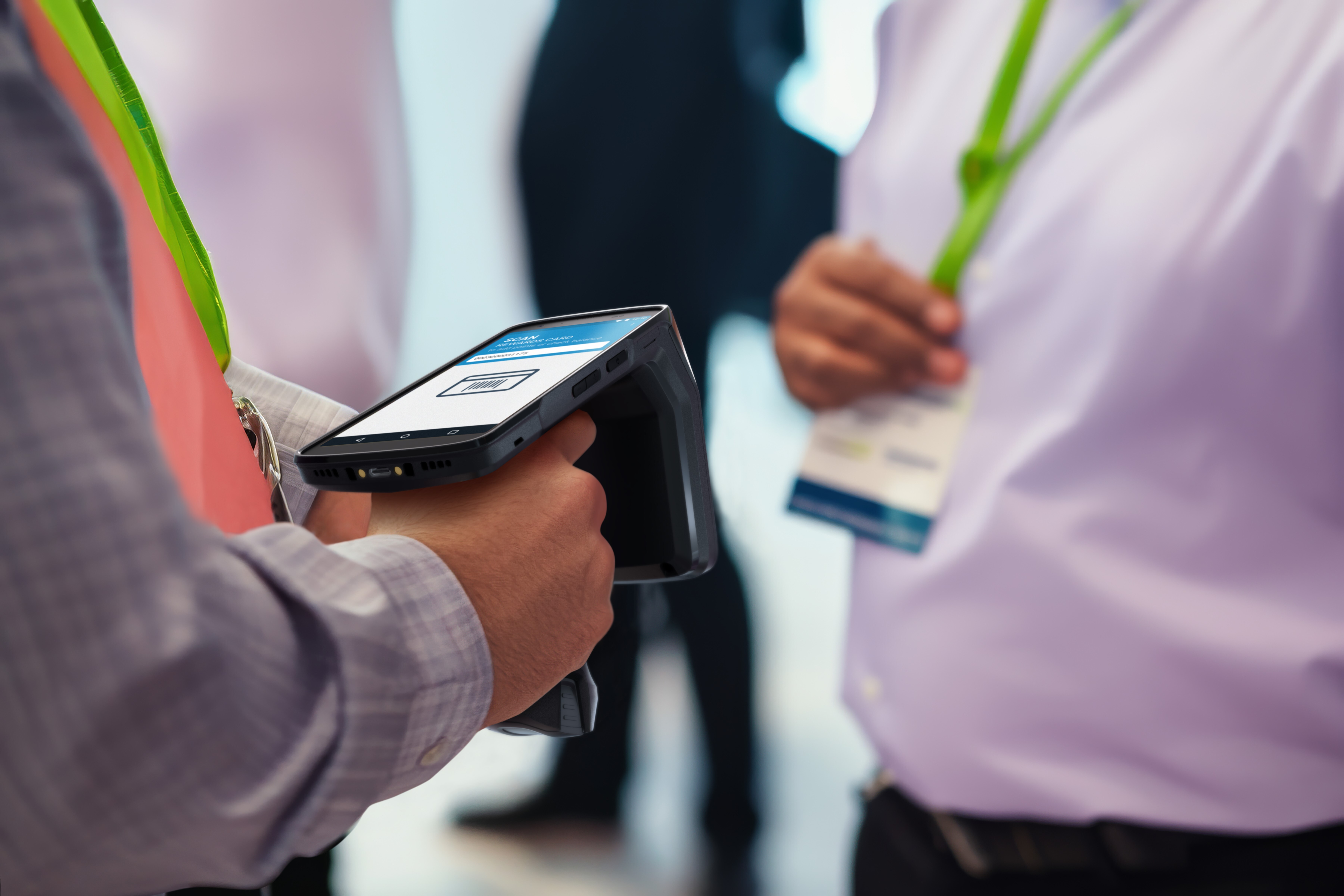
The TC22R makes the most sense when its integrated architecture lines up with the way employees already work. Zebra identifies inventory cycle counting, item finding, asset tracking, loading verification, and inbound/outbound verification among its target applications.
The design may also be useful for organizations issuing shared RFID equipment across multiple shifts. Having the RFID reader and mobile computer in one unit reduces the number of separate components that need to stay together as devices move from one employee to another.
A retail team could issue the devices to associates conducting scheduled inventory counts or locating merchandise for replenishment. Warehouse employees could perform cycle counts aisle by aisle while continuing to use Android-based warehouse applications. Facilities teams could use RFID to locate tagged equipment and scan barcodes when another form of identification is needed.

For more background before selecting hardware, Atlas RFID’s resources on RFID asset tracking and handheld RFID workflows can help teams evaluate the broader system requirements behind the reader itself.
Bottom Line
The defining feature of the Zebra TC22R isn't any one specification. It's the way high-speed UHF RFID reading, enterprise Android computing, barcode scanning, NFC, wireless connectivity, and rugged mobile hardware are combined into one handheld.
For organizations that value a streamlined device workflow, that integrated design is worth a closer look.