
Digital Product Passports: What Retailers Need to Know
Retailers are being asked for more product transparency than ever before.
Shoppers want clearer sustainability information.
Regulators want better access to product data.
Supply chain partners want proof that products are sourced, handled, and documented properly.
That is where the Digital Product Passport comes in.
Digital Product Passports are designed to give products a digital record that can help communicate where they came from, what they are made of, and how they can be repaired, reused, or recycled. For retailers selling into the European Union, the EU Digital Product Passport is part of a broader shift toward product traceability, sustainability, and circularity. RFID, IoT, QR codes, serialization, and item-level data capture can all play a role in connecting physical products to trusted digital records.
- What Is a Digital Product Passport?
- What Is the EU's Digital Product Passport Law?
- What Does a Digital Product Passport Do?
- Why Digital Product Passports Matter for Retail Traceability
- How RFID and IoT Can Support Digital Product Passports
- Does the U.S. Have a Digital Product Passport?
- What's the Difference Between a Digital Passport and a Digital Product Passport?
- Digital Product Passport Timeline: What Retailers Should Watch
- How Retailers Can Start Preparing Now
- Final Thoughts: DPPs Are a Traceability Opportunity, Not Just a Requirement
What Is a Digital Product Passport?
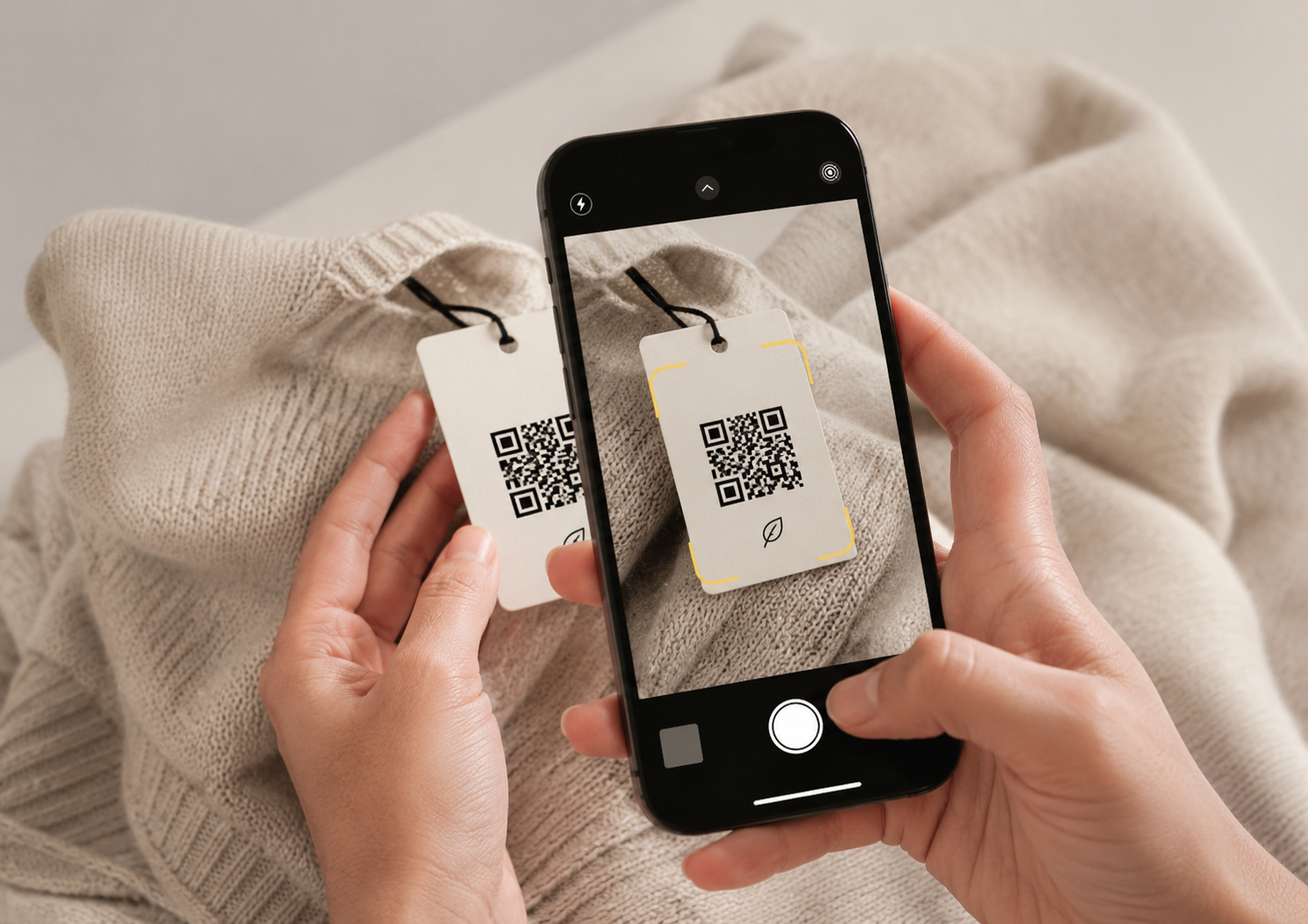
A Digital Product Passport is a digital record connected to a physical product. Think of it as a structured product profile - or resume that can travel with an item throughout its lifecycle.
While the term "passport" may evoke images of a typical travel passport, a Digital Product Passport is strictly for inventory and supply chain purposes, not human identification. Think of it as a "digital twin" for a physical item, providing a permanent, transparent record of a product's lifecycle, materials, and origin rather than a record of individual travel history.
Depending on the product category and future EU rules, a passport may include product identity, materials, sustainability information, repairability details, recycling guidance, compliance data, and supply chain information. A retailer, supplier, repair provider, recycler, or customer could scan a product identifier and access relevant information about that item.
For example, an apparel product might include material composition, country of origin, care instructions, and end-of-life guidance. An electronics product might include component information, repair instructions, or lifecycle data.
The final data fields will not be the same for every product. Under the EU framework, product-specific requirements will be introduced by category, so retailers should avoid assuming there will be one universal passport format for everything they sell.
Subscribe to Keep Learning About RFID
Ready to start your RFID learning journey? Subscribe to our once a month newsletter to see new articles, new products, and receive special promotions.
What Is the EU's Digital Product Passport Law?
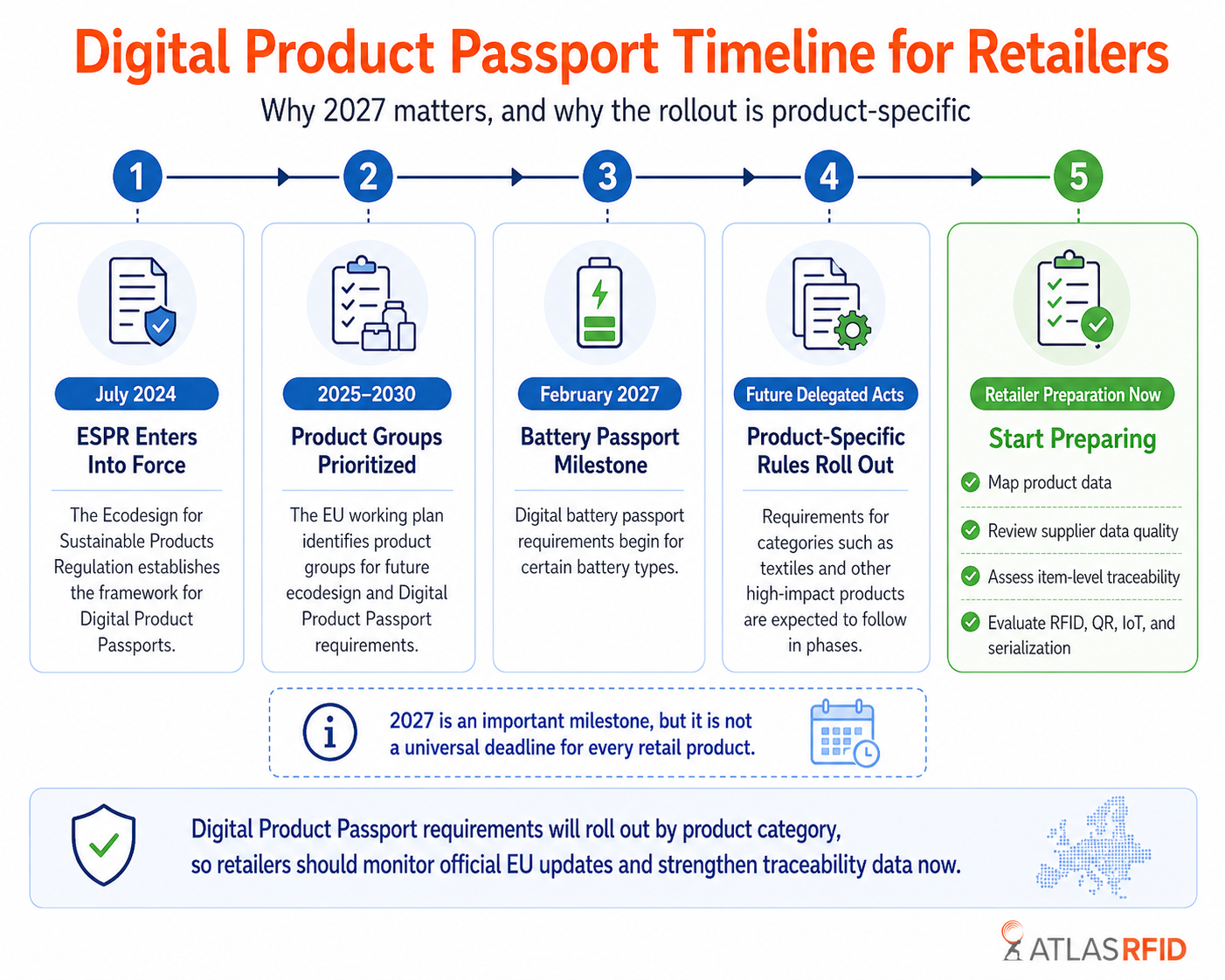
The EU Digital Product Passport framework comes from the Ecodesign for Sustainable Products Regulation (ESPR). ESPR entered into force in July 2024 and creates a framework for setting ecodesign and information requirements for many products placed on the EU market.
That distinction matters. ESPR does not mean every retail product has the same Digital Product Passport deadline today. Instead, requirements will be rolled out through product-specific delegated acts.
This is also why the phrase "Digital Product Passport 2027" can be confusing. 2027 is an important milestone, especially for batteries, but it is not a universal deadline for every retail product. Certain battery passport requirements begin on February 18, 2027, under the EU Batteries Regulation.
What Does a Digital Product Passport Do?
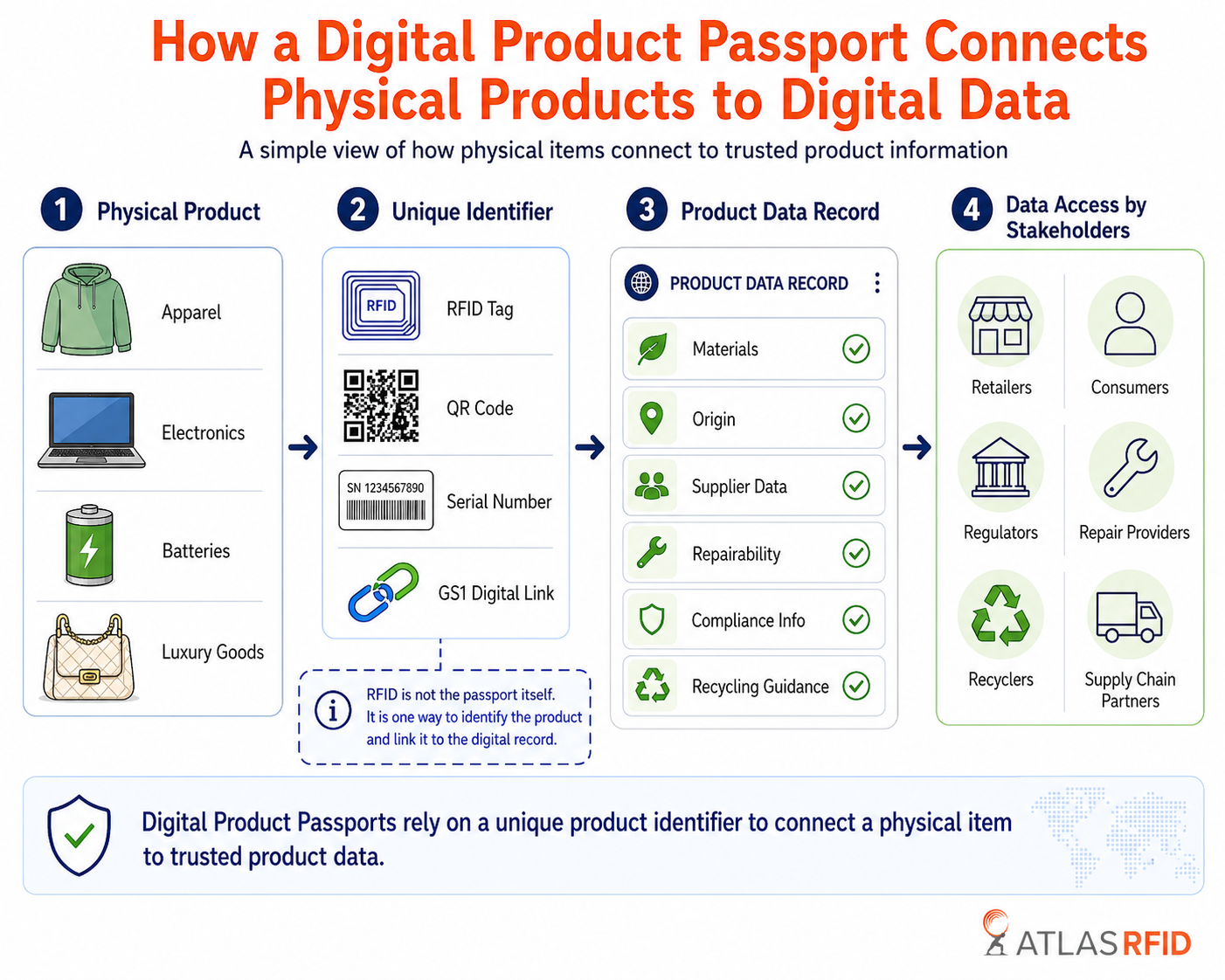
A Digital Product Passport connects product data to a unique identifier, making product information easier to access across the supply chain.
In retail, the practical value often comes down to product traceability. A passport can help connect an item to information about its origin, materials, manufacturing process, repair options, recyclability, or authenticity.
The passport is not just a consumer-facing label. It is part of a larger data infrastructure.
Why Digital Product Passports Matter for Retail Traceability
Product traceability is already a major retail challenge. Retailers need better visibility into inventory, supplier performance, returns, recalls, counterfeit risks, sustainability claims, and lifecycle tracking.
Digital Product Passports raise the stakes because strong digital records depend on strong underlying data.
For retailers selling into the EU, DPP readiness is not only a compliance topic; it is a data quality issue. It is important to note that these mandates apply to any company, regardless of where they are headquartered, that places products on the European market. If your goods reach EU consumers, your organization is responsible for meeting these traceability and transparency requirements.
How RFID and IoT Can Support Digital Product Passports
Digital Product Passports need a bridge between the physical product and its digital record. RFID can be one of those bridges (or unique identifiers).
RFID technology can provide unique item-level identification, fast scanning, and automated inventory visibility.
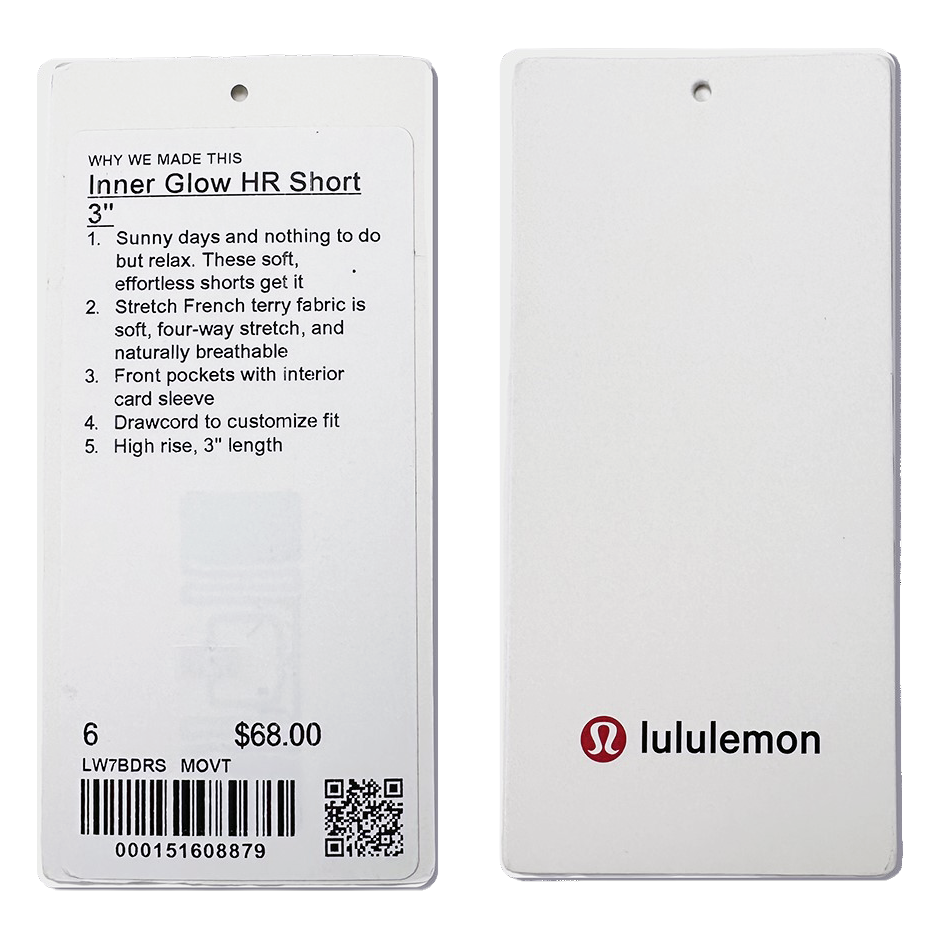
In a retail setting, an RFID tag on an apparel item could be linked to a digital record containing product details, supplier information, materials, and lifecycle data.
RFID portals, fixed readers, or handheld readers can capture product movement through distribution centers, back rooms, and stores without requiring line-of-sight scanning.
IoT can add another layer when products need condition, movement, environmental, or usage data.
For retailers already exploring RFID, DPP readiness may be another reason to evaluate item-level identification and data capture through RFID inventory management.
Digital Product Passport Timeline: What Retailers Should Watch For
The digital product passport timeline is phased, not universal.
ESPR officially started in July 2024.
The clearest Digital Product Passport 2027 example is batteries. Digital battery passport requirements begin on February 18, 2027.
How Retailers Can Start Preparing Now
Retailers can start preparing before every product-specific rule is finalized.
Begin by identifying which product categories are sold into the EU. Then map what product data is currently available, where it lives, and who controls it. Supplier data quality will matter, especially for materials, sourcing, sustainability claims, repairability, and compliance records.
Next, look at how products are tracked today. Are they tracked at the SKU level, batch level, or item level? A retailer that only has SKU-level visibility may struggle to support product-level traceability in categories where more detailed data becomes necessary.
From there, evaluate the role of RFID, QR codes, IoT, serialization, and data management systems. The goal is not to chase technology for its own sake. The goal is to connect product identifiers to accurate, trusted product data.
Start by reviewing official EU guidance and evaluating whether your current traceability systems can support product-level data access.
Final Thoughts: Turn Regulatory Compliance Into Your Competitive Advantage
Digital Product Passports are about more than checking a regulatory box. They represent a massive opportunity to strengthen your supply chain, win consumer trust, and future-proof your retail operations.
Ready to turn traceability into growth? Let's map out your DPP Readiness roadmap.