
Smart Vending Machines and Their Role in Modern Retail
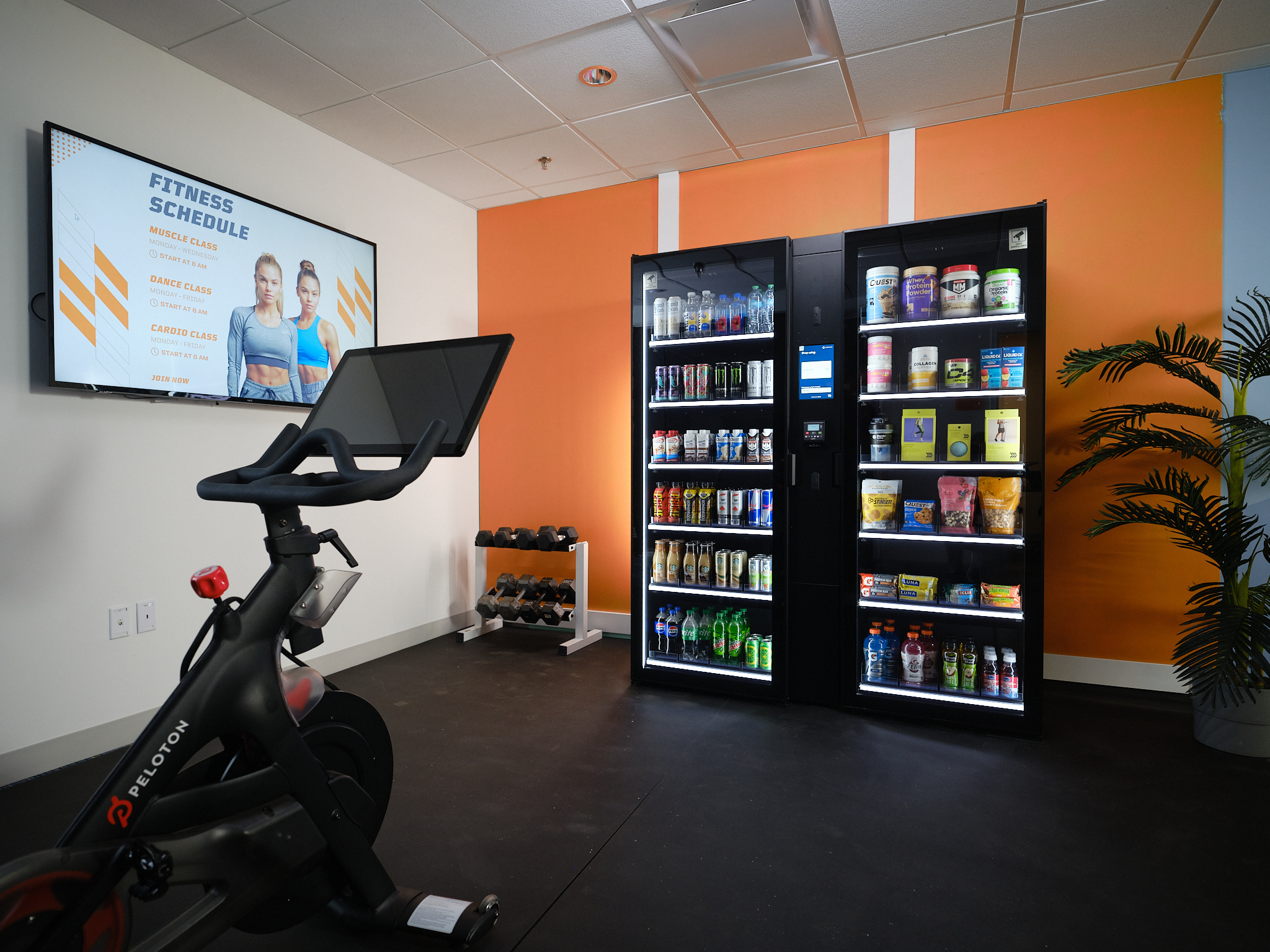
A smart vending machine gives businesses a way to offer convenient, self-service purchasing without requiring a staffed checkout counter. Instead of relying only on coins, bills, and manual restocking checks, today’s connected vending systems support cashless payments, inventory visibility, remote management, and product-level data.
That makes them useful in places where customers, guests, or employees need quick access to products, but a full retail store may not make sense. Hotels, offices, lobbies, campuses, hospitals, gyms, airports, and apartment communities can all benefit from this type of setup. Smart vending is also part of a larger unattended retail trend, where businesses use technology to make shopping easier without adding a traditional checkout process.
- What Is a Smart Vending Machine?
- How Smart Vending Supports Unattended Retail
- Key Features of a Modern Cashless Vending Machine
- Benefits for Hotels, Offices, and Retail Environments
- The Role of Software in Self-Service Vending
- What to Consider Before Choosing an Unattended Retail Kiosk Machine
- Final Thoughts: Smart Vending as a Practical Retail Extension
What Is a Smart Vending Machine?
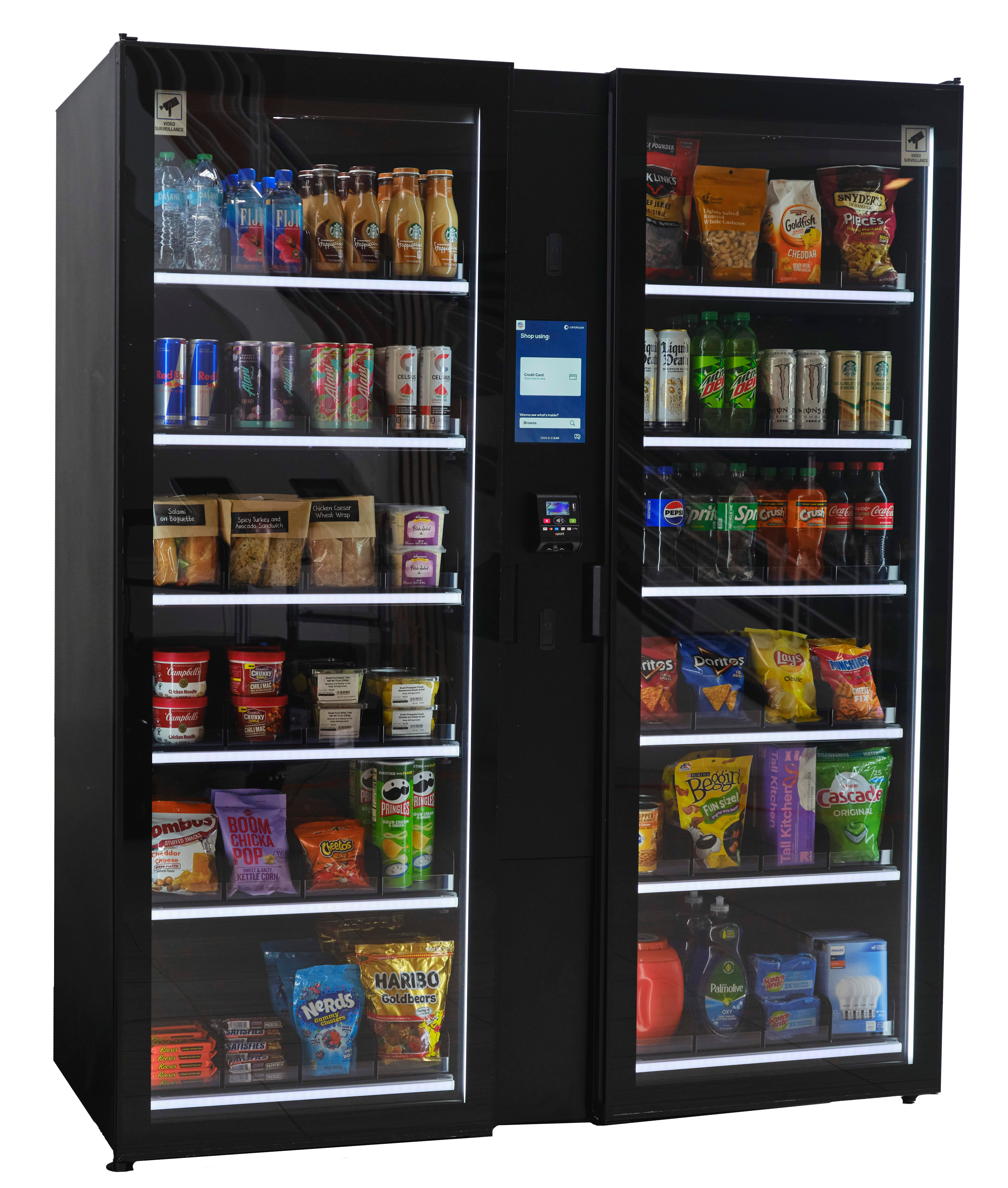
A smart vending machine is a connected vending or retail unit that uses digital payments, software, inventory tracking, and remote management tools to support self-service purchasing. Some systems look like traditional vending machines with upgraded payment and reporting features. Others function more like compact retail cabinets or smart stores.
The main difference is visibility and control. A traditional vending machine may require someone to visit the machine to check stock, collect cash, or troubleshoot issues. A smart vending system can send inventory alerts, track sales, accept card or mobile payments, and provide usage data from a software dashboard.
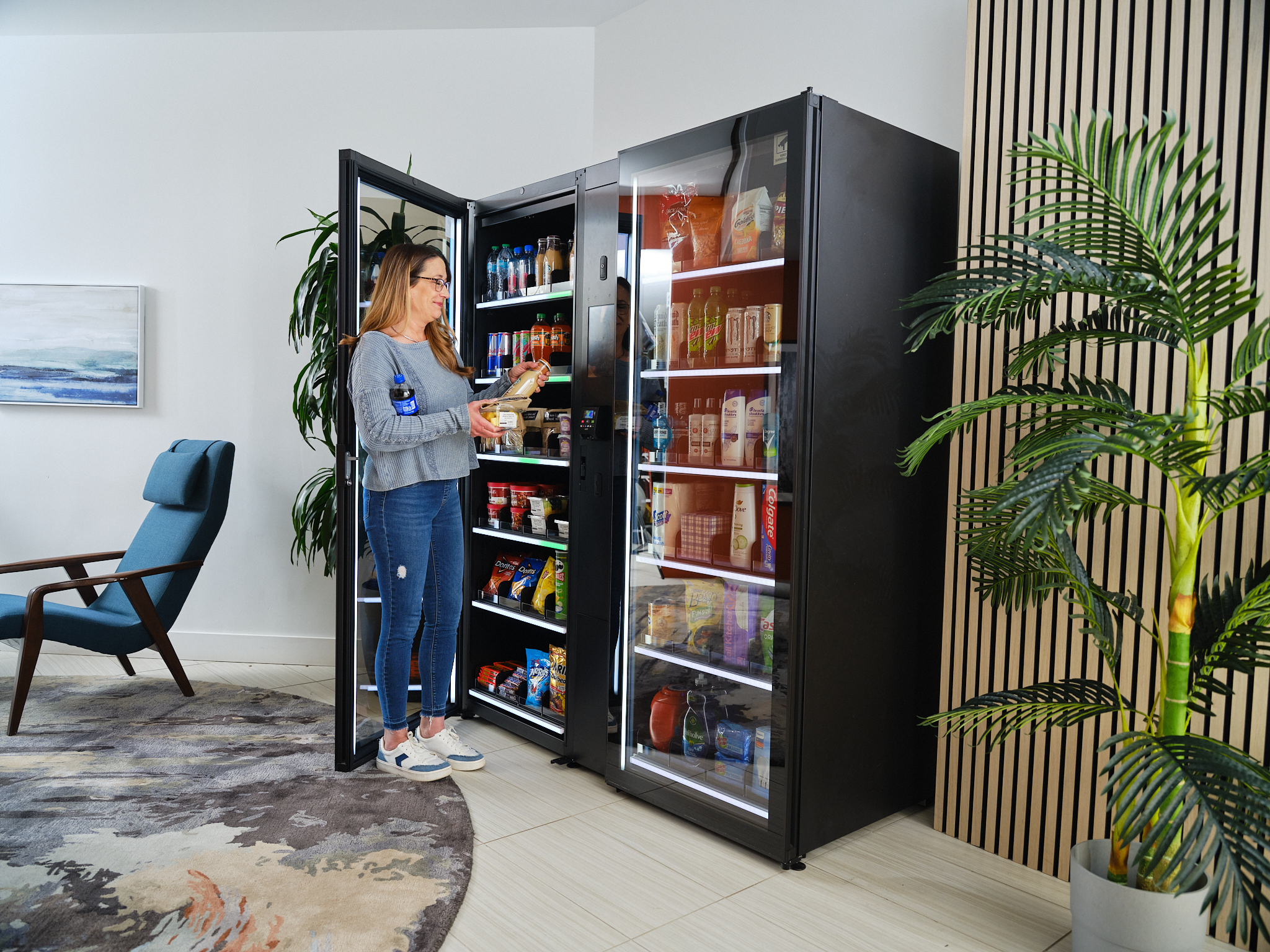
For example, a hotel lobby might use a machine to sell snacks, drinks, travel essentials, toiletries, and personal care items. Guests can pay with a card, mobile wallet, or tap-to-pay option instead of waiting at the front desk. In that case, the machine acts as both a cashless vending machine and a small convenience retail point.
How Smart Vending Supports Unattended Retail
Unattended retail is a retail model that lets customers browse, select, and purchase products without a cashier being present. That can mean a vending machine, a self-service retail cabinet, or a more advanced smart store system where a customer taps to enter, selects products, and leaves without standing in a checkout line.
This model works well in locations with long operating hours, variable traffic, or limited staffing. A hotel lobby may need to serve guests late at night. An office may want to offer food, beverages, PPE, or tech accessories throughout the workday. A campus or hospital may need retail access in areas where a staffed store would be expensive to operate.
Some systems go beyond simple snack vending and operate more like a small-format store. An unattended retail kiosk machine can support a broader product mix, controlled access, cashless payment, and real-time reporting. For managers, the question is no longer whether self-service retail is possible, but where it can create the most value.
Key Features of a Modern Cashless Vending Machine
A modern cashless vending machine is built around convenience for the customer and visibility for the operator. The right feature set depends on the products being sold, the location, and the business goals, but several capabilities are especially useful.
Card reader and contactless payment support make purchasing easier for customers who rarely carry cash. A vending machine with card reader functionality can also support tap-to-pay cards and, depending on the system, mobile wallets.
Mobile wallet compatibility helps customers pay with the methods they already use every day. In offices, hotels, and public spaces, this can reduce friction and encourage quick purchases.
Remote inventory monitoring gives managers a clearer picture of what is in stock. Instead of checking a machine manually every day, an office manager can see which items are selling, which products need restocking, and whether the machine needs service.
Real-time sales data helps operators understand demand by product, location, and time of day. This is useful when deciding whether to add more beverages, remove slow-moving products, or change pricing.
Product-level tracking can be especially valuable when machines carry more than basic snacks. Depending on the system, sensors, RFID, or other tracking methods may help monitor which items are selected or removed. Learn more about RFID in retail and how RFID systems work.
Temperature monitoring matters for food, beverages, and other perishable products. Alerts can help teams respond quickly when a cooler or refrigerated unit needs attention.
Self-service vending machine software brings these details together through dashboards, reports, alerts, and machine management tools. This software is often what turns vending from a simple product dispenser into a scalable retail channel.
Access control and secure cabinet design may be important for higher-value products such as electronics accessories, workplace supplies, PPE, or specialty retail items. In these cases, security is part of the customer experience and the operating model.
Benefits for Hotels, Offices, and Retail Environments
Smart vending is not limited to one type of business. The value comes from placing the right products in the right location with a buying process that feels simple.
Unattended Retail in Hotels
For hotel managers, smart vending can improve guest convenience without adding a staffed retail shop. Guests may need a phone charger, toothpaste, medicine, snacks, bottled water, or a late-night drink after front desk hours. A well-placed machine in the lobby can meet that need without pulling staff away from other guest service tasks.
A smart vending machine can help hotels solve problems such as:
- Guests needing essentials after the gift shop, market, or front desk retail area has closed
- Front desk staff spending time selling small items instead of helping guests
- Limited space for a staffed convenience shop
- Missed revenue from guests leaving the property to buy snacks, drinks, or toiletries
- Inconsistent tracking of which guest convenience items sell most often
- Difficulty offering 24/7 access to travel essentials without adding labor
Unattended Retail in Office Spaces
For office managers, a smart vending machine can give employees quick access to food, beverages, PPE, tech accessories, or everyday supplies. That convenience can reduce time spent leaving the office for small purchases. It can also help support breakrooms, shared workspaces, warehouses, and secure facilities where employees need fast access to specific items.
A smart vending machine can help offices solve problems such as:
- Employees leaving the workplace for snacks, drinks, supplies, or small essentials
- Breakroom inventory running out without anyone noticing
- Limited access to PPE, chargers, cables, batteries, or office supplies during busy workdays
- Manual supply tracking that depends on staff checking cabinets or storage rooms
- Lack of visibility into which items employees actually use
- Difficulty supporting multiple shifts, hybrid schedules, or after-hours teams
Unattended Retail in Existing Retail Environments
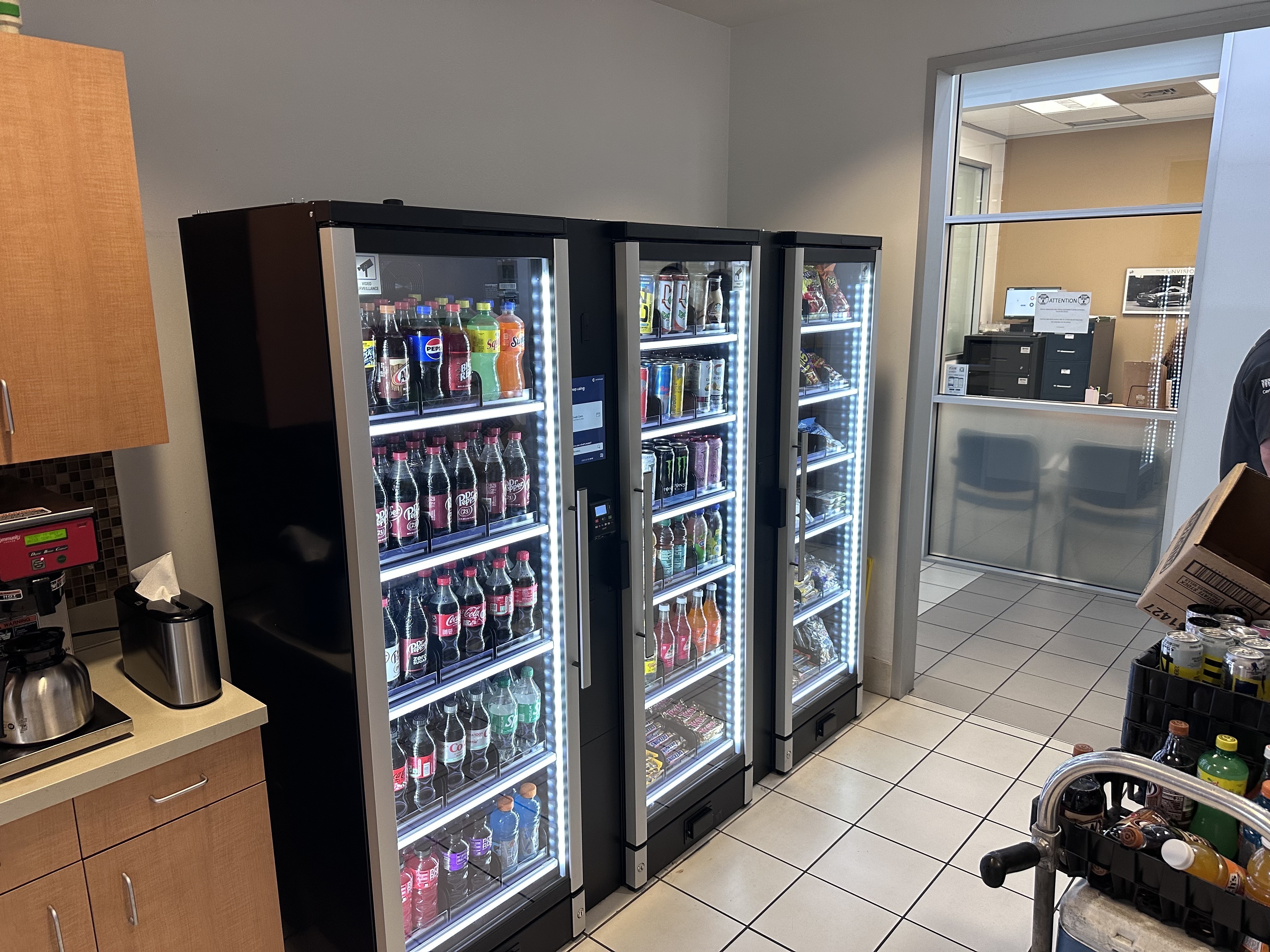
For retail managers and retail technology directors, smart vending can serve as a flexible test-and-learn format. It can extend product availability beyond normal store hours, create a small retail presence in a new location, or support automated pickup and specialty product access. Because the system can collect sales and inventory data, managers can adjust product selection based on actual demand instead of guesswork.
A smart vending machine can help retail environments solve problems such as:
- Customers needing access to products outside normal store hours
- Limited floor space for new product categories or impulse-buy items
- Long checkout lines for small, quick purchases
- Uncertainty around demand for products in a new location
- Difficulty testing automated retail formats without a full store buildout
- Limited product-level data from smaller self-service retail areas
The best opportunities usually appear where people already need quick access to products, but a staffed checkout is not practical. That is where unattended retail can feel less like a replacement for traditional retail and more like a practical extension of it.
The Role of Software in Self-Service Vending
Self-service vending machine software is one of the biggest differences between smart vending and older vending models. The machine itself matters, but the software determines how easily the system can be managed over time.
A software dashboard can help teams monitor inventory, review payment data, receive service alerts, update pricing, and evaluate machine performance. Remote management is especially useful for businesses operating multiple machines across offices, hotels, campuses, or retail locations.
Data also helps improve product decisions. If bottled water sells quickly in a hotel lobby but phone chargers move slowly, managers can adjust the product mix based on real usage data. If a certain location has strong morning traffic, the inventory strategy may look different than a machine used mostly in the evening.
That kind of inventory visibility and sales reporting makes smart vending easier to scale than a manual, location-by-location approach.
What to Consider Before Choosing an Unattended Retail Kiosk Machine
Before selecting an unattended retail kiosk machine, map the customer journey from product selection to payment to restocking. A good system should fit the way people will actually use it.
Start with the product type. Snacks, beverages, hotel essentials, electronics, PPE, apparel, and higher-value retail items may each require different machine designs, storage formats, and security features.
Next, think about the location. A hotel lobby, office breakroom, campus hallway, store entrance, hospital corridor, or secure facility will each have different traffic patterns and access needs.
Payment requirements matter too. Some locations may only need a vending machine with card reader support and mobile wallet payments. Others may need employee badge integration, account-based payment, or controlled access.
Security should match the product value and environment. Locks, sensors, cameras, access control, and secure cabinet designs may be useful depending on what is being sold.
Finally, review the software and restocking plan. Decide whether your team will manage replenishment internally, rely on a vendor-managed model, or use a hybrid approach. Reporting, alerts, integrations, and support can make the difference between a machine that works well and one that becomes difficult to maintain.
Final Thoughts: Smart Vending as a Practical Retail Extension
A smart vending machine is not just an upgraded snack machine. It can be a connected retail point that supports cashless payments, inventory visibility, remote management, and convenient self-service shopping.
For hotels, offices, and retail environments, smart vending can be a practical way to add convenience, capture more sales opportunities, and serve customers without adding a full-time checkout process. As unattended retail continues to grow, these systems give businesses a flexible way to meet people where they already are.
Ready to modernize your retail space?
Source: