
How to Tag Returnable Containers for Reliable RFID Performance
RFID success depends on more than just the technology itself. Tag selection and placement play a critical role in read accuracy, data reliability, and long-term durability.
Returnable transport items (RTIs) encounter demanding conditions. Improper tagging can reduce performance and lower confidence in the system. A well-planned tagging strategy ensures consistent RFID results, even in challenging environments.
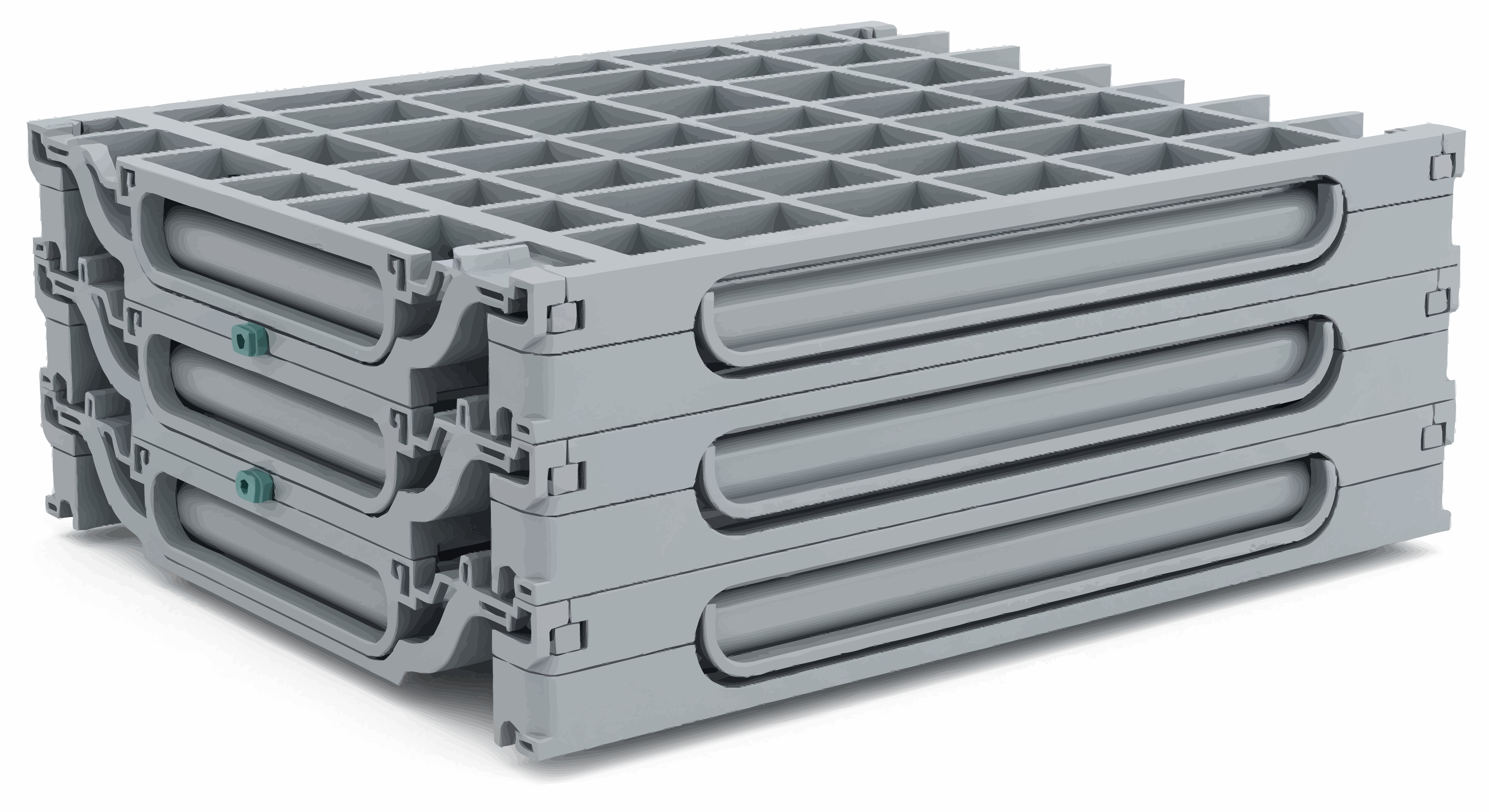
Key Factors to Consider Before Tagging
Before selecting tags, organizations must analyze RTI movement and operating environments, as standard tags may not withstand specific workflow stresses.
Important considerations include:
- Material composition: Material and environmental factors, such as metals, liquids, heat, cold, moisture, chemicals, and high handling frequency, all require specialized, durable tags for reliable performance.
- Environmental exposure: Consider heat, cold, moisture, and chemical cleaning agents.
- Frequency of handling: High-traffic RTIs need tags with higher abrasion resistance.
- Interaction with automation: Tags must be positioned where fixed readers and forklifts can “see” them without physical impact.
Tagging Plastic Totes
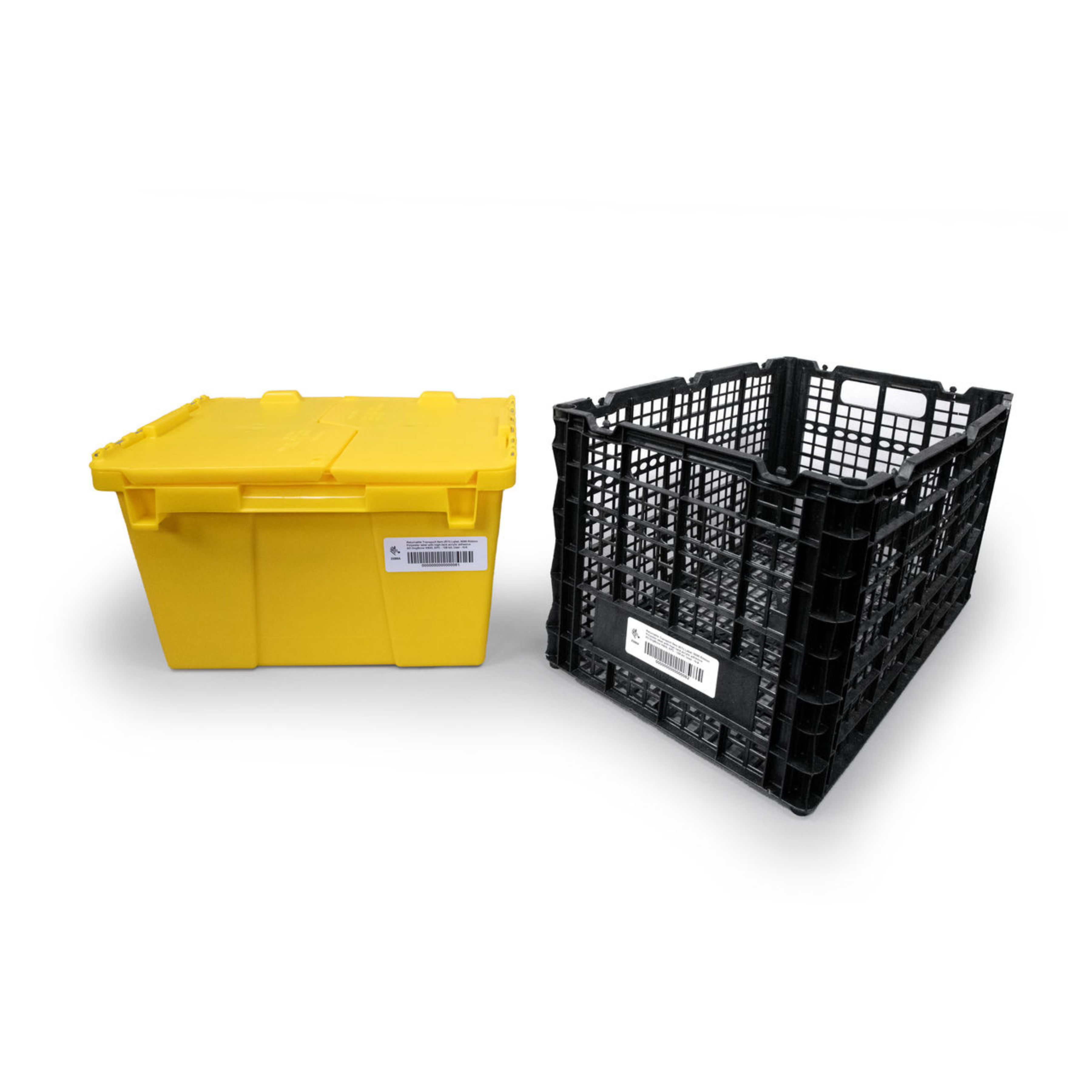
Plastic totes are widely used in manufacturing and logistics. They often experience industrial washing, abrasion, and repeated stacking, which can damage or peel off standard labels.
Recommended considerations:
- Durable housings: Use tags designed for repeated handling and impact.
- Chemical resistance: Ensure adhesives and face-sheets can withstand moisture and cleaning detergents.
- Strategic placement: Position tags in recessed areas to avoid direct contact with friction points during stacking.
Tagging Metal Racks
Metal presents unique challenges for RFID because it reflects RF energy, which can “blind” standard tags. Without specialized hardware, read rates on metal are often near zero.
Key considerations include:
- On-metal tags: Select specialized on-metal or metal-mount tags that use the metal surface to propagate the signal.
- Signal shielding: Avoid placing tags in deep corners or “pockets” of the rack that create dead zones.
- Reliability testing: Test multiple placement options to confirm the tag is readable from all required angles.
Tagging Wood Pallets
Wood pallets experience the most “physical” life of any RTI, including heavy impacts from forklift tines, outdoor storage in rain or snow, and extreme vibration.
Best practices include:
- Protected placement: Recess tags slightly into the wood to prevent them from being sheared off.
- Vibration resistance: Choose durable tags that won’t experience internal antenna failures from constant movement.
- Cost-to-lifespan ratio: Balance the tag's cost with the pallet's expected lifespan.

Environmental Challenges to Address
RTIs are rarely kept in pristine conditions. To maintain a functional system, your hardware must be rated for:
- Extreme temperatures: From cold storage to high-heat sterilization.
- Outdoor exposure: UV degradation and water ingress.
- Mechanical stress: High vibration and physical crushing forces.
Zebra RFID tags are engineered for these rugged industrial environments. When paired with Zebra RFID readers, organizations can validate and monitor performance in real time.
Validating Performance Before Scaling
Testing is essential. Validate tags in actual workflows before a full rollout. Confirm read rates during peak periods and ensure tag bonds remain secure over time.
Atlas RFID specializes in helping organizations select and validate tags based on specific container types and operating conditions. This localized testing reduces the risk of system failure and ensures high ROI before you scale.
Build a Reliable Foundation
Proper tagging is the foundation of successful RTI tracking. When tags are selected and placed correctly, your data becomes reliable, actionable, and trusted. This reliability enables you to scale visibility across your entire operation without constant troubleshooting.
Ready to optimize your RTI tracking?
Secure data accuracy for your operation—contact us now to talk with an expert and build a tagging strategy that withstands real-world conditions.